



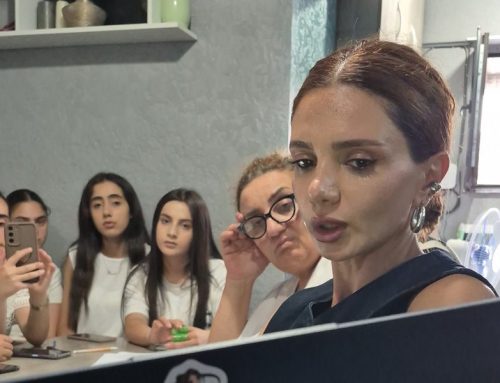
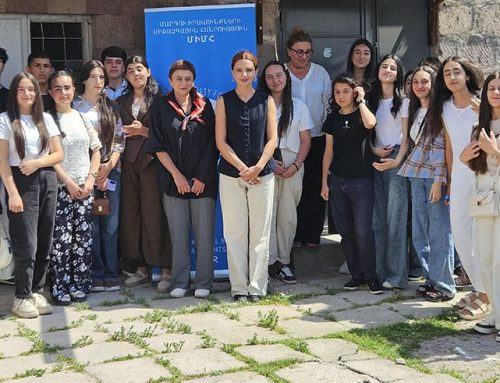
Within the framework of the “Monitoring of Disinformation Flows” program, another regional seminar was held in the village of Krashen, Shirak region.
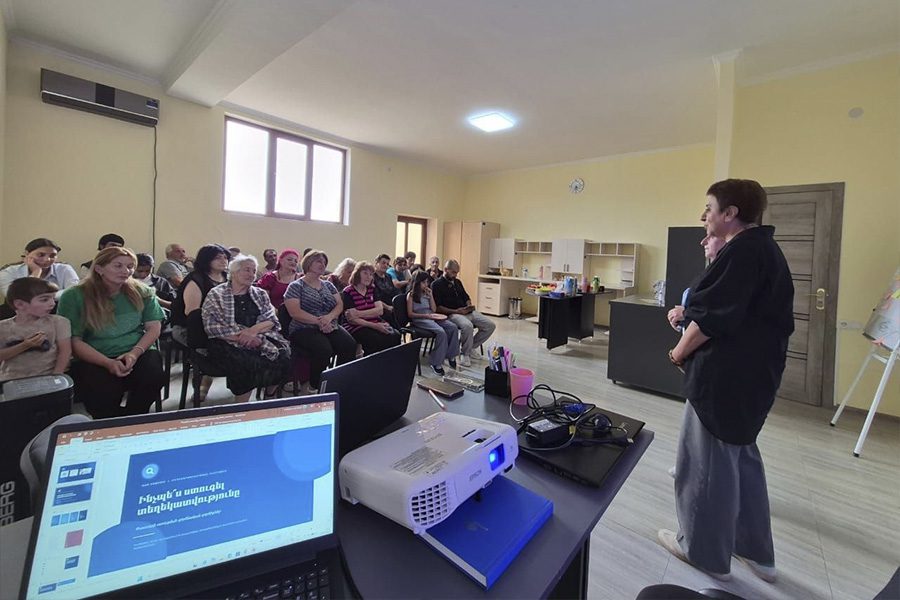
The seminar was organized by the “Effective Governance and Community Development” NGO operating in the village, in particular , at the initiative and with the direct support of the organization’s president , Hripsime Petrosyan .
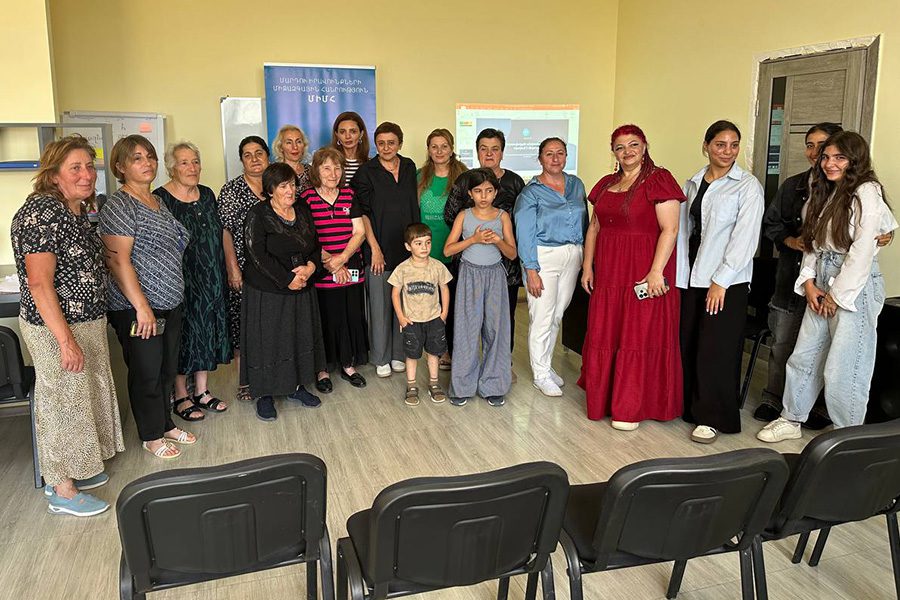
The meeting was attended by community residents, from the youngest to the oldest. This gave the event special importance, as it turned into not only an educational meeting, but also a platform for community dialogue, where different generations came together to discuss the challenges of the modern information environment.
Krashen: a small but unique community
Krashen is one of the small and unique villages in Shirak region, with a population of only 172 people . The village is located in the midst of mountainous nature, surrounded by heights and open horizons, which give it a special peace and feeling of isolation.
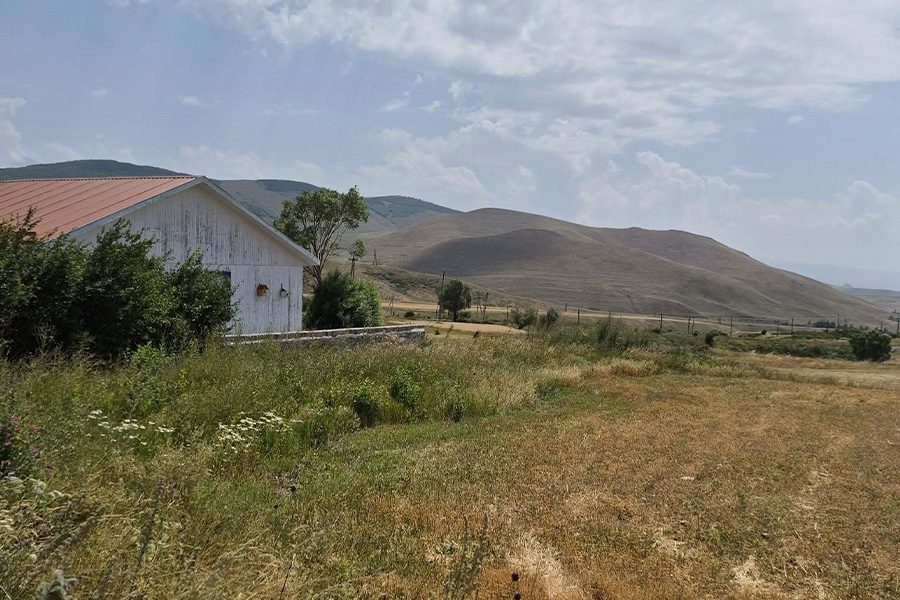
The community is known for its historical and cultural heritage , traditional lifestyle, agricultural occupation, and customs passed down from generation to generation. The daily lives of people here are mainly connected to the land, family, and community life, and access to information flows is often limited, especially in terms of pluralistic and verified information.
This is precisely what makes the topic of media literacy and combating disinformation all the more relevant for such small communities.
Why was the topic important to Krashen?
In small communities, information is often disseminated not only through the media, but also through word of mouth , social media posts, and unverified sources. When alternative and credible sources of information are limited, false or manipulative information can quickly shape people’s opinions, influence decisions, and create unnecessary tension.
During the seminar, participants discussed how disinformation flows permeate everyday life, why people often believe false information, and what impact it can have on community relations, social trust, and even a sense of security.
Residents noted that their daily lives are often hectic and monotonous , and information becomes an important means of communication with the outside world. Therefore, it is especially important to be able to distinguish fact from interpretation, and accurate information from manipulation.
Main topics of the seminar
The following important directions were presented during the meeting:
- Types of misinformation : misinformation, disinformation and malinformation,
- The mechanisms of manipulation ,
- Ways of forming false statements ,
- Techniques for influencing emotions,
- The characteristics of fake news spread on social networks,
- Examples of deception through photos and videos,
- Simple tools and methods for verifying information.
Participants were presented with real-life examples that helped them more easily understand how they can present the same information in different ways to have different effects on people.
Intergenerational participation as an important condition for success
One of the most valuable features of the seminar was the joint participation of different generations . Young people were more active in the digital environment and social networks, while representatives of the older generation shared their experiences, telling how they had previously verified information through personal contacts and trusted people.
This exchange created a warm and trusting atmosphere, where each participant felt that their experience and opinion mattered.
Community impact
Such initiatives are especially important for communities that are in a state of geographic and informational isolation . Media literacy here becomes not only an information skill, but also a tool for community resilience .
At the end of the seminar, the participants stated that they will now be more careful about the information they find on social networks, will try to check the sources and discuss the information they receive with family members and neighbors before sharing it.
Thanks to partners
The project team expresses its deep gratitude to the „Effective Governance and Community Development“ NGO and the organization’s president , Hripsime Petrosyan , for organizing such an important meeting in the community, bringing residents together, and contributing to the spread of media literacy.
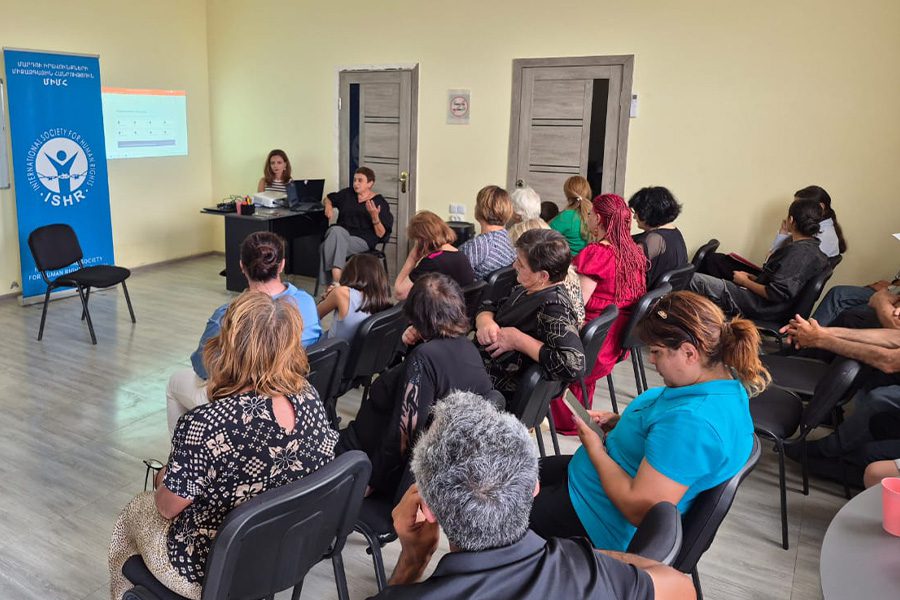
The seminar held in Krashen once again showed that the fight against disinformation must reach not only large cities, but also the smallest villages , where every piece of information can have a great impact on people’s daily lives, mutual trust, and community solidarity.
The „Monitoring Disinformation Flows“ program will continue regional meetings, contributing to the formation of information literacy, critical thinking, and responsible information behavior in Armenian communities.
Ani Sukiasyan
The material was prepared within the framework of the Disinformation Flows Monitoring Project


Leave A Comment