



Das armenische Kernkraftwerk Metsamor ist seit Jahrzehnten ein wichtiger Faktor für die Energiesicherheit Armeniens. Gleichzeitig kursieren widersprüchliche Behauptungen darüber: dass das Kraftwerk „äußerst gefährlich sei und sofort stillgelegt werden müsse“, dass es „noch nie durch ein Erdbeben beschädigt worden sei und vollkommen sicher sei“, dass „die Europäische Union seine sofortige Stilllegung fordere“ oder umgekehrt, dass die Stilllegung des Kraftwerks lediglich ein „russischer Propagandatrick“ sei.
Mythen und Fakten rund um das armenische Kernkraftwerk
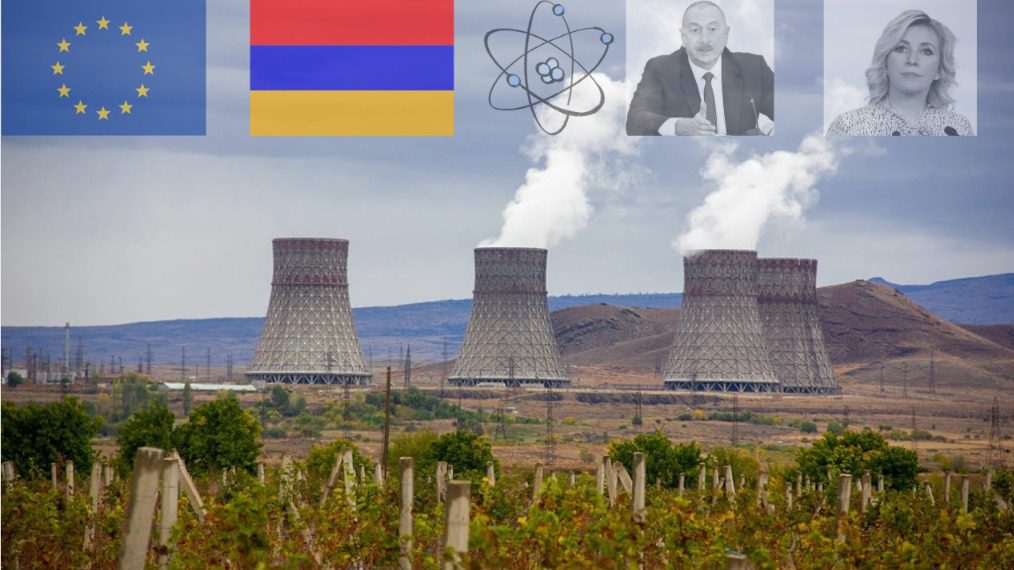
Was ist wahr, und welche Behauptungen sind irreführend?
Im Rahmen unserer Studie haben wir Daten der IAEO, der Europäischen Union, der armenischen Regierung, der World Nuclear Association und anderer Quellen zusammengetragen.
Fakten-Check: Mythen und Realität rund um das AKW Mezamor
1. Mythos: „Das AKW Mezamor wurde durch das Erdbeben von 1988 beschädigt“
Fakt: Die Hauptbehauptung ist falsch.
Das AKW Mezamor erlitt während des Erdbebens von Spitak am 7. Dezember 1988 keine schweren Schäden.
Ein technisches Dokument der IAEO besagt, dass nach einer detaillierten Inspektion der zwei Blöcke keine Schäden festgestellt wurden. Die Blöcke wurden infolge des Erdbebens nicht durch das automatische Erdbebenschutzsignal abgeschaltet, da die aufgezeichneten Signale unter der Aktivierungsschwelle lagen. Die beiden Blöcke wurden anschließend durch Regierungsbeschluss stillgelegt.
Die World Nuclear Association stellt ebenfalls fest, dass Mezamor etwa 75 km vom Epizentrum des Erdbebens entfernt lag, das Kraftwerk normal weiterlief und nicht beschädigt wurde, aber beide Blöcke später aufgrund von Bedenken hinsichtlich der seismischen Sicherheit abgeschaltet wurden.
Mit anderen Worten: Die Behauptung, „das Erdbeben habe das Kernkraftwerk beschädigt“, ist nicht durch Fakten belegt.
Hier gibt es jedoch eine wichtige Unterscheidung: Die Tatsache, dass das Kraftwerk durch das Erdbeben nicht beschädigt wurde, bedeutet an sich nicht, dass das Kraftwerk frei von seismischen Risiken ist. Bedenken hinsichtlich der seismischen Sicherheit nach dem Erdbeben waren einer der Gründe, warum beide Blöcke abgeschaltet wurden.
2. Was geschah nach 1988 mit dem AKW?
Der erste Block in Mezamor wurde 1976 an das Netz angeschlossen, der zweite 1980. Beide Reaktoren gehören zur WWER-440-Familie. Derzeit ist nur der zweite Block in Betrieb.
Nach dem Erdbeben wurden beide Blöcke abgeschaltet. Der erste Block wurde später dauerhaft stillgelegt, und der zweite wurde inmitten der schweren Energiekrise Armeniens 1995 wieder angefahren, nachdem zuvor eine Reihe von Sicherheits- und Seismikschutzarbeiten durchgeführt worden waren.
Somit entspricht die weit verbreitete Vorstellung, „das Kraftwerk sei nach 1988 ohne nennenswerte Sicherheitsarbeiten einfach wieder eingeschaltet worden“, ebenfalls nicht vollständig den Fakten.
Nach Angaben der IAEO wurde vor dem Wiederanfahren eine erneute seismische Bewertung des Kraftwerks durchgeführt, und in den Folgejahren wurden zahlreiche Sicherheitsnachrüstungen umgesetzt.
3. Mythos: „Der Mezamor-Reaktor ist nur derselbe alte sowjetische Reaktor, der nicht an die Bedingungen Armeniens angepasst wurde“
Fakt: Die Realität ist komplexer.
Der in Mezamor verwendete Reaktor gehört zur WWER-440-Familie, aber die spezifische Version der Anlage ist die Modifikation V-270, die für Gebiete mit hoher seismischer Aktivität ausgelegt war.
In den Dokumenten der Europäischen Kommission zur Zusammenarbeit im Bereich der nuklearen Sicherheit wird festgestellt, dass für Mezamor auf der Grundlage des ursprünglichen V-230-Designs seismische Verstärkungen umgesetzt wurden und es als V-270 klassifiziert wurde.
Die Bewertungen der IAEO weisen ebenfalls darauf hin, dass Neubewertungen hinsichtlich der seismischen Sicherheit der Anlage durchgeführt wurden, unter anderem nach dem Unfall von Fukushima.
Dies bedeutet jedoch nicht, dass das Alter und die Konstruktionsgeneration des Reaktors kein Problem darstellen. Der zweite Block von Mezamor wurde 1980 in Betrieb genommen und seine ursprüngliche Auslegungslebensdauer betrug 30 Jahre. Das heißt, er sollte das Ende seiner Auslegungslebensdauer im Jahr 2010 erreichen. Später wurde der Betrieb durch Sicherheits- und technische Modernisierungsprogramme verlängert.
4. Mythos: „Das Kernkraftwerk hätte schon vor langer Zeit geschlossen werden müssen, arbeitet also jetzt illegal“
Fakt: Dies ist ebenfalls eine irreführende Aussage.
Es trifft zu, dass die ursprüngliche Auslegungslebensdauer des Reaktors abgelaufen ist. Das Ende der Auslegungslebensdauer selbst bedeutet jedoch nicht, dass der Reaktor am nächsten Tag zwangsläufig abgeschaltet werden muss.
Die Betriebslebensdauer von Kernkraftwerken kann verlängert werden, wenn entsprechende technische Bewertungen, Sicherheitsmaßnahmen und behördliche Anforderungen umgesetzt werden.
Im Fall von Armenien wurden solche Arbeiten durchgeführt, und es wurden umfangreiche Modernisierungen vorgenommen, um die Betriebslebensdauer des zweiten Blocks zu verlängern. Im Jahr 2023 unterzeichneten Armenien und Rosatom einen neuen Vertrag über die Modernisierung und Verlängerung der Betriebslebensdauer des Kraftwerks. Nach Angaben der World Nuclear Association wurde als Ergebnis dieser Arbeiten das Ziel gesetzt, den Betrieb des Kraftwerks bis 2036 zu sichern.
Daher ist die Behauptung, „die Station hätte schon vor langer Zeit geschlossen werden müssen, weshalb der derzeitige Betrieb an sich illegal sei“, sachlich nicht begründet.
5. Mythos: „Das AKW Mezamor liefert fast 40 % des armenischen Stroms“
Fakt: Nach den neuesten verfügbaren internationalen Daten sind es etwa 30 %.
Die Bedeutung des Kernkraftwerks im armenischen Energiesystem ist in der Tat groß, aber die Zahl von 40 % sollte mit Vorsicht verwendet werden.
Die World Nuclear Association stellt für das Jahr 2023 folgendes Bild fest:
-
Erdgas: etwa 42 %
-
Kernenergie: etwa 30 %
-
Wasserkraft: etwa 18 %
-
Solarenergie: etwa 8 %
Der World Nuclear Performance Report schätzt den Anteil der Kernenergie bis 2024 ebenfalls auf etwa 31 %.
Dementsprechend ist es korrekt zu sagen, dass das AKW Mezamor etwa ein Drittel der armenischen Stromproduktion liefert, weshalb seine Rolle unter dem Gesichtspunkt der Energiesicherheit erheblich ist.
6. Mythos: „Wenn Mezamor geschlossen wird, steigt Armenien einfach auf Solar- und Wasserkraft um“
Fakt: Erneuerbare Energien sind wichtig, aber der Ersatz durch eine einzige Quelle ist nicht einfach.
Armenien hat seine Solarstromproduktion in den letzten Jahren erheblich gesteigert. Für das Energiesystem ist jedoch nicht nur die jährlich erzeugte Strommenge wichtig, sondern auch, wann und wie beständig sie verfügbar ist.
-
Kernenergie sorgt für eine kontinuierliche Erzeugung.
-
Solarstromerzeugung hängt von der Tageszeit und den Wetterbedingungen ab.
-
Wasserkraft hängt stark von der saisonalen Verfügbarkeit der Wasserressourcen ab.
Aus diesem Grund kann die Frage des Ersatzes von Mezamor nicht einfach durch „Schließung des Kernkraftwerks und Bau von Solarkraftwerken“ gelöst werden. Aus diesem Grund spricht die Europäische Kommission in ihren neuesten Dokumenten von mehreren Richtungen gleichzeitig: Gewährleistung der nuklearen Sicherheit, Schaffung neuer Erzeugungskapazitäten, Entwicklung erneuerbarer Energien, Energieeffizienz und Netzausbau.
7. Mythos: „Die Europäische Union fordert von Armenien die sofortige Schließung des Kernkraftwerks“
Fakt: Die Position der EU ist real, aber die Formulierung „fordert die sofortige Schließung“ ist unzutreffend.
Eines der am stärksten diskutierten Themen zu diesem Komplex ist die Haltung der EU. Die Dokumente zeigen, dass die EU in der Tat seit vielen Jahren die Frage der Schließung und der sicheren Stilllegung von Mezamor aufwirft.
-
Dokument von 2017: Im gemeinsamen Dokument zur Festlegung der Beziehungen zwischen der EU und Armenien wurde die Notwendigkeit eines Fahrplans für die Schließung und sichere Stilllegung von Mezamor festgehalten, wobei gleichzeitig berücksichtigt wurde, dass Armenien über Ersatzkapazitäten verfügen muss, um die Energiesicherheit aufrechtzuerhalten.
-
Entschließung von 2023: Das Europäische Parlament äußerte Bedenken hinsichtlich des Weiterbetriebs und forderte einen Fahrplan zur Stilllegung. Gleichzeitig betont dasselbe Dokument die Notwendigkeit, Ersatzenergiekapazitäten und den sicheren Betrieb der Anlage während der Übergangsphase zu gewährleisten.
-
EU-Dokument von 2025: Der Ansatz bleibt derselbe: weiterhin die Stresstest-Empfehlungen umsetzen, die Sicherheit der Anlage gewährleisten, eine Stilllegungsstrategie entwickeln und gleichzeitig auf neue Erzeugungskapazitäten umstellen.
Mit anderen Worten: Beide extremen Behauptungen sind falsch:
-
❌ „Die EU will überhaupt nicht, dass Mezamor geschlossen wird“ — falsch.
-
❌ „Die EU fordert die Schließung des Kraftwerks bis morgen“ — ebenfalls falsch.
-
✅ Realität: Die EU betrachtet die sichere Schließung und Stilllegung von Mezamor als langfristiges Ziel, erkennt aber gleichzeitig das Problem der Energiesicherheit Armeniens an und spricht von der Notwendigkeit von Ersatzkapazitäten.
8. Und was sagt die EU im Jahr 2026?
Die aktuelle Position der EU ist noch deutlicher geworden.
Die Europäische Kommission stellt fest, dass sie die Umsetzung der Stresstest-Empfehlungen zur nuklearen Sicherheit von Mezamor weiterhin überwacht und die Entwicklung eines Fahrplans für die fristgerechte und sichere Stilllegung des Kraftwerks unterstützt.
Gleichzeitig arbeitet die EU mit Armenien bei der Entwicklung erneuerbarer Energien, der Energieeffizienz, der Stromnetze und der regionalen Energieverbindungen zusammen.
Der Ansatz der EU besteht nicht einfach darin, „das Kraftwerk zu schließen“, sondern:
Sicherer Betrieb ➔ Schaffung neuer Kapazitäten ➔ Energiediversifizierung ➔ Sichere Stilllegung.
9. Mythos: „Russland sagt nur, Mezamor sei sicher, weil es seinen Einfluss wahren will“
Fakt: Dies ist eine politische Bewertung, kein technischer Nachweis.
Im August 2026 erklärte die Sprecherin des russischen Außenministeriums, Maria Sacharowa, in Bezug auf Mezamor, dass das Kraftwerk ein systembildendes Element des armenischen Energiesystems sei und seine Schließung die Abhängigkeit Armeniens von anderen Ländern erhöhen könnte. Sie verteidigte auch die seismische Sicherheit des Kraftwerks.
Hier müssen jedoch zwei verschiedene Fragen unterschieden werden:
-
Wie steht es um die technische Sicherheit der Station?
-
Welche politischen Folgen könnte ihre Schließung haben?
Eine offizielle russische Erklärung kann zwar Informationen über die Position Russlands liefern, kann jedoch nicht als unabhängiger Nachweis für die Sicherheit des Kraftwerks angesehen werden. Die Ergebnisse der IAEO, der nationalen Regulierungsbehörde, der Stresstests und unabhängiger technischer Gutachten sind für die Beurteilung der Sicherheit des Kraftwerks von größerer Bedeutung.
10. Mythos: „Aserbaidschan hat lediglich Sicherheitsbedenken wegen Mezamor“
Fakt: Aserbaidschans Erklärungen sollten auch im Kontext der regionalen Energiepolitik betrachtet werden.
Im August 2026 erklärte der aserbaidschanische Präsident Ilham Alijew, das AKW Mezamor sei alt, stelle eine Bedrohung für die Region dar und müsse „früher oder später“ geschlossen werden. Gleichzeitig sprach er über die Möglichkeit von Stromleitungen durch Armenien und zukünftige Stromlieferungen.
Diese Fakten sind wichtig, weil sie zeigen, dass das Thema Kernkraftwerke nicht mehr nur ein Thema der nuklearen Sicherheit ist. Es ist auch zu einem Thema des regionalen Energiewettbewerbs und möglicher neuer Energieverbindungen geworden.
Alijews Erklärung kann jedoch ebenso wie die Erklärungen russischer Amtsträger eine Expertenbewertung der technischen Sicherheit nicht ersetzen.
11. Mythos: „Wenn Mezamor geschlossen wird, wird Armenien zwangsläufig von Aserbaidschan abhängig“
Fakt: Das ist kein vorgezeichnetes Szenario.
Im Falle der Schließung von Mezamor wird das armenische Energiesystem zweifellos Ersatzkapazitäten benötigen. Aber wo und wie diese Kapazitäten geschaffen werden, ist eine Frage politischer und wirtschaftlicher Entscheidungen.
Armenien kann Folgendes kombinieren:
-
Neue Kernenergie,
-
Kleine modulare Reaktoren (SMR),
-
Solar- und andere erneuerbare Energien,
-
Energiespeichersysteme,
-
Hocheffiziente Gaskraftwerke,
-
Stromzusammenarbeit mit dem Iran,
-
Entwicklung regionaler Stromnetze.
Daher ist die Gleichung „Schließung von Mezamor = obligatorischer Stromkauf von Aserbaidschan“ kein Faktum, sondern eines von mehreren möglichen Szenarien.
12. Was plant Armenien nach Mezamor?
Armenien zieht einen vollständigen Ausstieg aus der Kernenergie nicht in Betracht.
Von der armenischen Regierung veröffentlichte Dokumente zeigen, dass die Option des Baus eines neuen Kernkraftwerksblocks weiterhin geprüft wird. Laut einem Regierungsbericht aus dem Jahr 2023 wurden russische, amerikanische und südkoreanische Technologien untersucht, einschließlich kleiner modularer Reaktoren.
Das Regierungsprogramm für 2026–2031 sieht ein Programm zum Bau eines neuen Kernkraftwerksblocks und den Abschluss des Auswahlprozesses für die Reaktortechnologie bis Ende 2027 vor.
Mit anderen Worten: Die derzeitige Politik Armeniens lässt sich nicht als „Ausstieg aus dem Kernkraftwerk“ beschreiben, sondern als Prozess des Ersatzes des alten Betriebsblocks und der Wahl des zukünftigen Formats der Kernenergie.
13. Kleine modulare Reaktoren: fertige Lösung oder noch in der Entwicklung befindliche Technologie?
Kleine modulare Reaktoren (Small Modular Reactors, SMR) sind in den letzten Jahren zu einem der wichtigen Diskussionsfelder in der armenischen Nuklearpolitik geworden.
Allerdings muss man auch hier übertriebene Behauptungen vermeiden.
Einige der SMR-Technologien befinden sich noch in der Entwicklungs-, Lizenzierungs- oder ersten kommerziellen Projektphase. Daher ist es nicht korrekt, sie als vollständig etablierte und auf breiter Front eingesetzte Ersatztechnologien in allen Ländern darzustellen.
SMR wurden bereits in früheren langfristigen Plänen der armenischen Regierung als mögliche Option in Betracht gezogen, und in den letzten Jahren haben die armenischen Behörden diese Richtung weiter erkundet. Das Regierungsprogramm 2026 legt die Frist für die Auswahl einer neuen Nukleartechnologie auf das Jahr 2027 fest.
Was ist eigentlich Tatsache und was ist Mythos?
| Claim | Rating | What do the sources show? |
|---|---|---|
| The 1988 earthquake damaged the Metsamor Nuclear Power Plant. | ❌ Fake | According to the IAEA, a detailed inspection found no damage. |
| The nuclear power plant was shut down after the earthquake. | ✅ Correct | Both units were halted amid safety concerns. |
| The Metsamor reactor is not adapted to seismic conditions. | ⚠️ Misleading | The V-270 version is a seismically reinforced/adapted version. |
| The reactor is of an older generation. | ✅ Correct | The VVER-440 is a Soviet-generation reactor with a long history of operation. |
| The nuclear power plant should have been closed long ago, and now it is illegal. | ❌ False/unfounded | Project deadline extended through safety measures |
| The nuclear power plant provides about 40% of Armenia’s electricity. | ⚠️ Exaggerated | Latest international data: around 30–31% |
| The EU wants to close Metsamor | ✅ Partially correct | The EU considers closure and decommissioning a long-term goal |
| The EU demands the immediate closure of the plant. | ❌ False/Misleading | The EU simultaneously emphasizes the need for replacement capacities and transitional security. |
| Russia claims that Metsamor is important for Armenia’s energy security | ✅ Correct | That is Russia’s official position. |
| The Azerbaijani leadership demands the closure of the station. | ✅ Correct | A similar announcement was made in 2026. |
| Closing Metsamor automatically means dependence on Azerbaijan | ❌ Unproven | It’s a possible scenario, not a predetermined outcome. |
| Armenia is considering building a new nuclear power plant/reactor | ✅ Correct | Various technologies are being discussed, including SMRs. |
Hier ist das Fazit und die Quellenübersicht ins Deutsche übersetzt und im gleichen stilvollen News-/Blog-Format aufbereitet:
Fazit: Die reale Gefahr liegt nicht in Mythen, sondern in vereinfachten Vorstellungen
Ein Fakten-Check zum AKW Mezamor zeigt, dass die Realität zwischen den beiden Extremen liegt.
Mezamor ist weder eine „katastrophale Bombe“, die jeden Moment explodieren könnte, noch eine „perfekt sichere“ Station, um die herum alle Bedenken frei erfunden sind.
Es handelt sich um ein Kernkraftwerk alter Generation, das in einer Zone hoher seismischer Aktivität gebaut wurde und dessen Sicherheitssysteme im Laufe der Jahre mehrfach modernisiert wurden. Es wurde beim Erdbeben von 1988 nicht beschädigt, aber nach diesem Erdbeben wurden Fragen der seismischen Sicherheit zu einem der wichtigsten Themen für seinen zukünftigen Betrieb.
Gleichzeitig bleibt Mezamor ein wichtiger Bestandteil des armenischen Energiesystems und erzeugt etwa ein Drittel des Stroms des Landes.
Daher lautet die Hauptfrage nicht einfach nur: „Schließen oder nicht schließen?“
Die eigentliche Frage lautet:
Wie kann die Energiesicherheit Armeniens in einer Zeit gewährleistet werden, in der sich der betriebene Mezamor-Reaktor seinen verlängerten Betriebsgrenzen nähert, und durch welche neuen Kapazitäten sollte er ersetzt werden?
In dieser Hinsicht steht Armenien gleichzeitig vor drei verschiedenen Herausforderungen: nukleare Sicherheit, Energiesicherheit und geopolitische Abhängigkeiten.
Und genau deshalb sollten alle Behauptungen über die Zukunft von Mezamor nicht durch politische Erklärungen, sondern durch technische Daten, internationale Expertenbewertungen, offizielle Dokumente und Energiebilanzen überprüft werden.
Hauptquellen
-
IAEO (IAEA) – Technische Daten zur seismischen Sicherheit von Mezamor und den Folgen des Erdbebens von 1988.
-
Europäische Kommission / EU – Offizielle Positionen zur nuklearen Sicherheit Armeniens, zur Stilllegung von Mezamor und zur Energiediversifizierung.
-
World Nuclear Association – Geschichte, technische Daten und Energiebilanz der Mezamor-Reaktoren in Armenien.
-
Regierung Armeniens – Dokumente zur langfristigen Entwicklung des armenischen Energiesystems und Pläne für einen neuen Kernkraftwerksblock.
-
Offizielle Quelle Aserbaidschans – Erklärung von Ilham Alijew aus dem Jahr 2026 zu Mezamor und regionalen Energieverbindungen.
-
Radio Free Europe / Radio Liberty (Azatutyun) – Erklärung von Maria Sacharowa aus dem Jahr 2026 zu Mezamor und der Energiesicherheit Armeniens.
Kolya Mkrtchyan
Das Material wurde im Rahmen des Projekts zur Überwachung von Desinformationsströmen erstellt.

#CivilSocietyCooperation #ishrarmenia #ishrfactcheck
Das Projekt wird mit finanzieller Unterstützung des Auswärtigen Amtes der Bundesrepublik Deutschland durchgeführt.





Excellent article. Keep writing such kind of info on your page.
Im really impressed by your blog.
Hello there, You have performed an incredible job.
I’ll definitely digg it and for my part recommend to my friends.
I’m sure they’ll be benefited from this site. xnxx