



The first meeting of the participants and organizers of the “Monitoring Disinformation Flows” project took place on June 20.
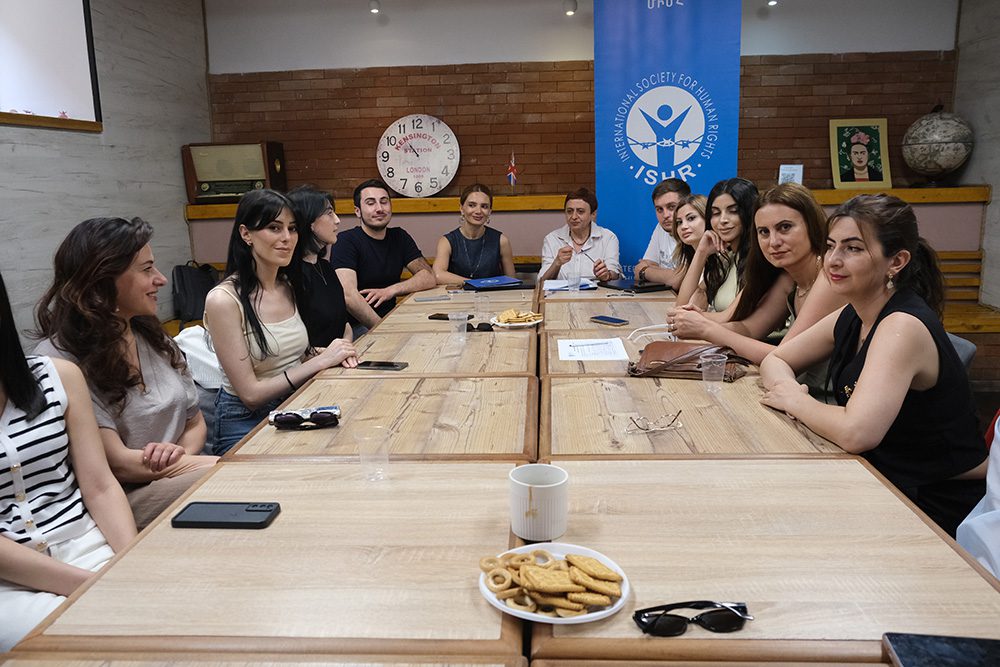
The meeting was attended by journalists, researchers, activists, and young professionals taking their first steps in the field of journalism.
Interest in the program was high: fifteen participants representing various professional and academic backgrounds were selected from around fifty applications received.
The main goal of the first meeting was not only to present the upcoming phases of the project, but also to create a platform for open and professional discussion, where participants could share their experiences, concerns, and observations.
Many important topics were discussed during the meeting. The participants tried to answer a number of key questions: where do people get their information today, how have information consumption habits changed, which platforms have become the most influential, and how do they influence the formation of public opinion?
Particular attention was paid to the challenges facing journalists. The discussion focused on how quickly the information environment and working conditions are changing, the pressures and risks journalists face, and whether journalists are more vulnerable than ever in the modern media environment. Participants shared their professional experiences, reflecting on both the challenges of fact-checking and the consequences of the rapid spread of false and manipulative content.
One of the important topics of the meeting was the different types of disinformation. The specifics of fake information, manipulative content, organized information campaigns and influence operations were discussed. The participants also got acquainted with the main principles, methods and tools for monitoring disinformation flows, which will be used in the future within the framework of the project.
Separate attention was paid to the fact-checking process and the possibilities of open source intelligence (OSINT). Methods of information validation, the study of digital traces, criteria for evaluating sources, and tools that are widely used in investigative journalism today were discussed.
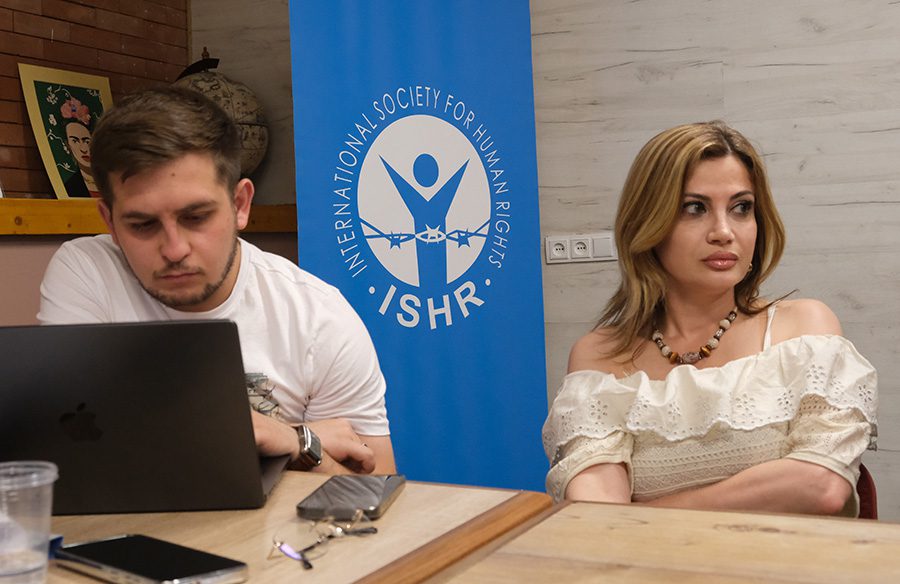
The topic of artificial intelligence (AI) also generated great interest during the discussion. Participants spoke about how AI is changing the information environment, while simultaneously creating new opportunities and new risks. They addressed content created through artificial intelligence, deepfakes, automated propaganda tools, and their impact on public debate.
The meeting also discussed challenges related to Armenia’s information security. The participants spoke about hybrid warfare, information influence operations, and regional developments, trying to understand what new threats are emerging in a rapidly changing world and what role journalists, researchers, and civil society representatives can play in countering them.
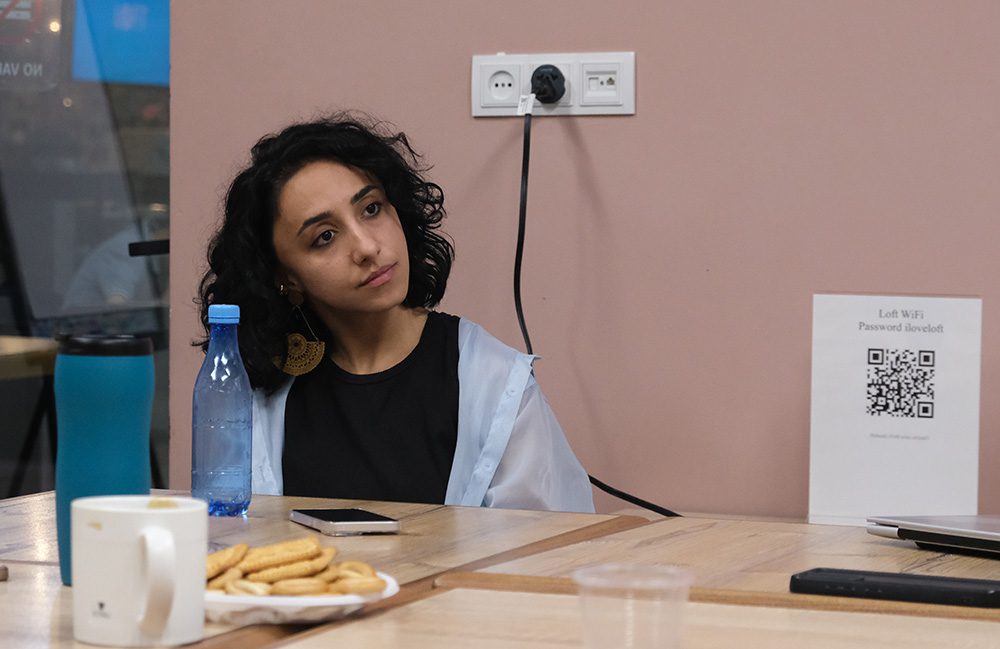
The first meeting showed that there is great potential for the formation of an interested and professional community around the topic. The active engagement of the participants, diverse experiences, and open discussions created an important foundation for the subsequent phases of the project.
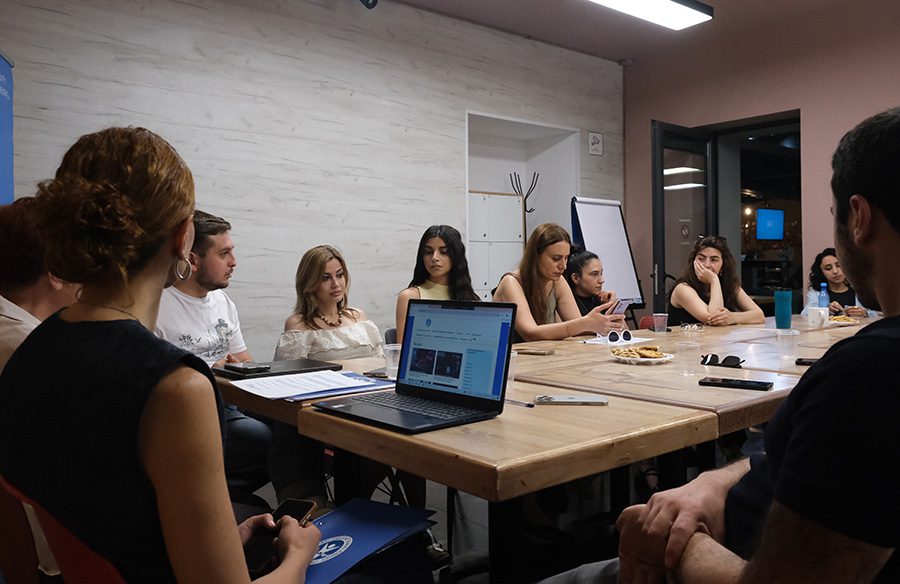
In the coming months, the project participants will continue their work, deepening their knowledge in the areas of disinformation monitoring, fact-checking, open source research, and information security. The project aims not only to develop the professional skills of the participants, but also to contribute to the fight against disinformation in Armenia and to the establishment of a place for disinformation. One of the important outcomes of the meeting was that this first gathering also began to form the creative and collaborative journalistic community of the project. Participants with different experiences, professional interests, and skills had the opportunity to get to know each other, discuss common issues, and outline future directions for cooperation.
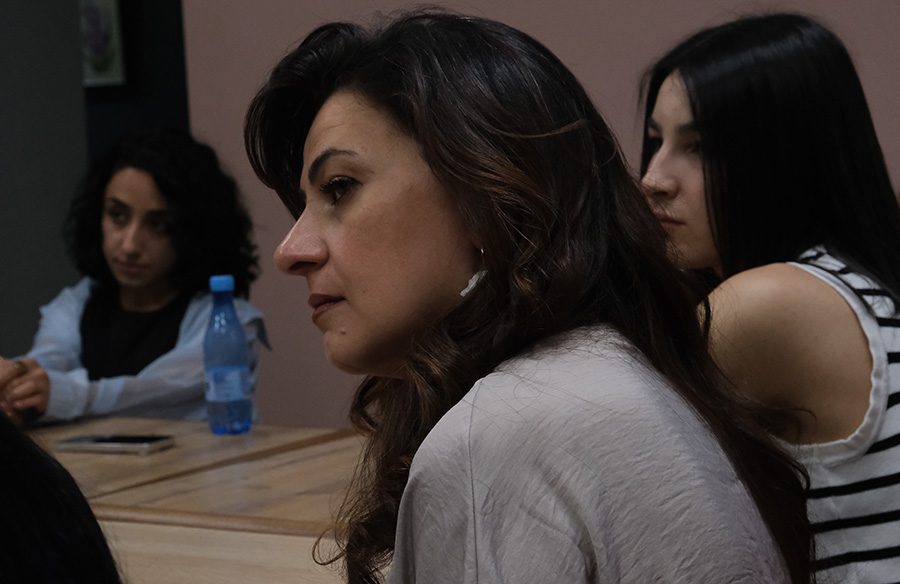
In the coming months, this community will not only participate in the project’s educational and research activities, but will also become an active platform to combat disinformation. Community members will jointly conduct monitoring, share experiences and tools, and develop fact-checking and open source research skills, contributing to the formation of a more resilient and informed public environment in Armenia.
The project aims to create a sustainable network of professionals who will continue to collaborate even after the end of the project, jointly responding to information threats, promoting quality journalism, and contributing to the process of increasing public media literacy and strengthening cyber resilience.
One of the important outcomes of the meeting was that this first gathering also began to form the project’s creative and collaborative journalistic community. Participants with diverse experiences, professional interests, and skills had the opportunity to get to know each other, discuss common issues, and outline future directions for cooperation.
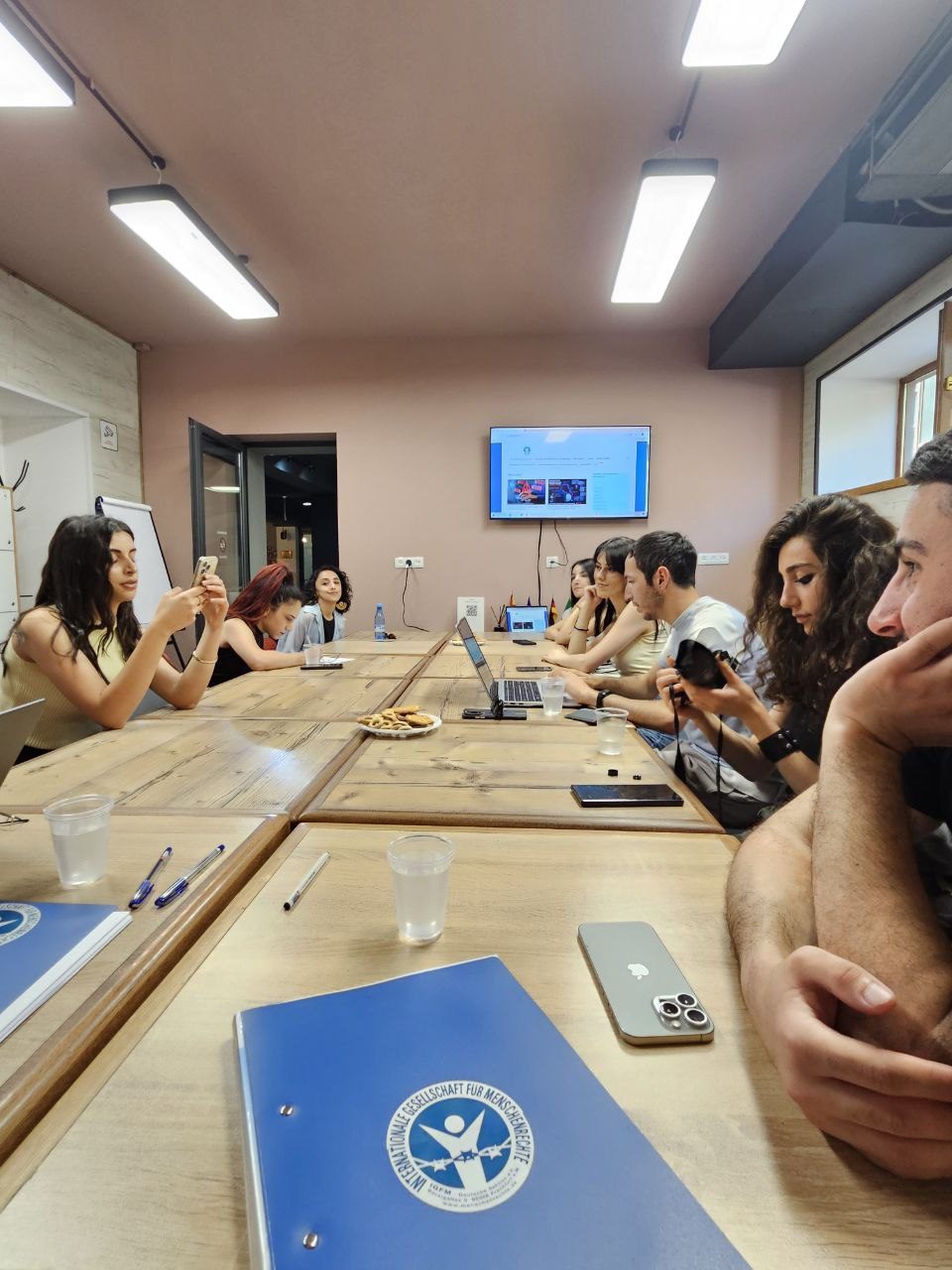
In the coming months, this community will not only participate in the project’s educational and research activities, but will also become an active platform to combat disinformation. Community members will jointly conduct monitoring, share experiences and tools, and develop fact-checking and open source research skills, contributing to the formation of a more resilient and informed public environment in Armenia.
The project aims to create a sustainable network of professionals who will continue to collaborate even after the end of the program, jointly responding to information threats, promoting quality journalism, and contributing to increasing the media literacy of the public.
Ani Sukiasyan ISHR Armenia
The material was prepared within the framework of the “Monitoring of Disinformation Flows” project.
The project is funded by the German Foreign Ministry.




Leave A Comment