




В начале сентября в социальных сетях распространилось заявление, приписываемое премьер-министру Армении Николу Пашиняну, в котором упоминались президент Казахстана Касым-Жомарт Токаев, отношения между Арменией и Россией, а также тема проведения референдума. Согласно этой публикации, Пашинян, говоря о якобы оказываемом Россией давлении на Армению с целью проведения референдума, заявил: «Я не президент Казахстана, чтобы меня вызывали в Россию. И мы не настолько богаты, как казахстанцы, чтобы проводить четыре референдума в год. Как они могут заставить Армению провести референдум?»
Действительно ли Пашинян сделал такое заявление в отношении Казахстана?

Заявление быстро распространилось в социальных сетях и подавалось как реальные слова премьер-министра Армении. Однако проверка фактов показывает, что Никол Пашинян не делал подобного заявления.
Более того, широко растиражированная цитата на самом деле основана на выступлении премьер-министра во время брифинга в правительстве 3 сентября, которое позже было изменено и дополнено.
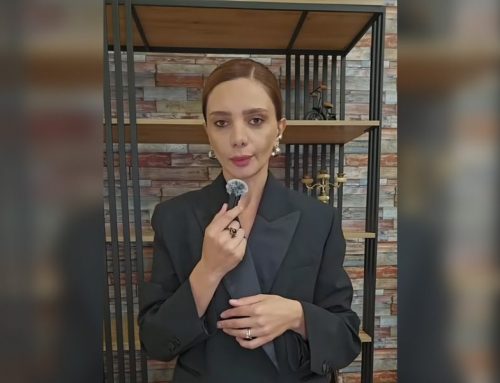
Самая ранняя из обнаруженных публикаций фейковой цитаты была сделана 6 сентября российским журналистом Сергеем Асланяном. В его публикации использовалось фото Пашиняна и приписанная ему цитата.
По данным Factcheck.kz, публикация за короткое время набрала тысячи лайков и более 300 комментариев, а также активно распространялась пользователями.
Однако в публикации не содержалось никаких ссылок или источников, подтверждающих, когда и где Пашинян произнес эти слова. Это важное обстоятельство, поскольку в случае с прямой цитатой политика всегда можно проверить ее первоисточник: выступление, интервью, пресс-конференцию или официальную видеозапись. В данном случае такой источник указан не был.
Чтобы проверить достоверность распространяемого заявления, необходимо вернуться к событиям 3 сентября и изучить соответствующий фрагмент правительственного брифинга Пашиняна. В тот день журналист спросил премьер-министра о заявлениях России по поводу референдума в Армении о выборе между Европейским союзом и Евразийским экономическим союзом, а также о том, вызывали ли Пашиняна в Россию по этому вопросу.
Формулируя вопрос, журналист отметил, что «Россия принуждает к референдуму», и, обращаясь к Пашиняну, сказал: «Вас вызвали в Россию».
Пашинян, реагируя на эту формулировку, ответил: «Складывается впечатление, будто перед вами стоит первый секретарь ЦК Компартии Армянской ССР и меня вызвали в Россию».
Реальный ответ Пашиняна и версия из социальных сетей
Сравнение двух версий показывает существенные различия. В своем реальном выступлении премьер-министр не упоминал Казахстан и не говорил о президенте этой страны. Он не утверждал, что «он не президент Казахстана», не сравнивал уровень благосостояния Армении и Казахстана и не говорил о проведении четырех референдумов в год в Казахстане.
Иными словами, распространяемая версия не является дословным воспроизведением реального ответа Пашиняна. Фраза «меня вызвали в Россию» действительно была взята из его речи, но ее поместили в совершенно иной контекст и дополнили выражениями, касающимися Казахстана. В результате получилось новое заявление, которое выставили как прямую речь Пашиняна.
Этот факт также подтвердили в Центре по противодействию дезинформации при Президенте Казахстана. В центре сообщили, что проведенный анализ доказал: Никол Пашинян подобных слов не произносил. По данным центра, авторы фейка изменили некоторые слова и дополнили ответ премьер-министра выражениями, отсутствовавшими в оригинале.
Как отметили в казахстанском Центре, в результате этих изменений заявлению был придан совершенно иной смысл, и оно было искусственно представлено как выпад против Казахстана. В Центре также подчеркнули, что подобные манипуляции могут способствовать формированию негативных настроений и созданию искусственных поводов для напряженности между народами Армении и Казахстана.
Исследование распространения фейковой цитаты показывает, что самая ранняя ее публикация в Facebook была сделана Сергеем Асланяном 6 сентября в 14:44 по времени Казахстана. По данным Factcheck.kz, в посте Асланяна не упоминалось, где и когда Пашинян произнес приписанные ему слова. После этого цитату начали тиражировать другие пользователи.
В данном случае механизм распространения дезинформации особенно примечателен тем, что после первичной публикации один и тот же текст появился на множестве других страниц. Когда одно и то же утверждение публикуется из разных источников, у пользователя может сложиться впечатление, что это подтвержденный факт. Однако множественные перепосты не могут заменить первоисточник. Если заявление приписывается политику, его подлинность следует проверять по официальному выступлению или видеозаписи.
Ложная информация также распространялась с аккаунтов с казахстанскими именами. По данным издания Public Radio, подобные профили в Facebook, X и других социальных сетях распространяли приписываемые Пашиняну заявления об отношениях Армении с Россией, референдуме по ЕАЭС и текущих процессах с Азербайджаном.
Однако одного лишь имени профиля недостаточно, чтобы определить, кто на самом деле является владельцем страницы и из какой страны она управляется. Поэтому при расследовании таких случаев важно учитывать прежнюю активность аккаунта, язык публикаций, время создания страницы, тематическую направленность постов и возможные связи с другими ресурсами. Эта информация помогает понять, имеем ли мы дело с реальными пользователями, анонимными страницами или системным вбросом.
Примечательно также, что Департамент информации и связей с общественностью Аппарата премьер-министра официально опроверг приписываемые Пашиняну заявления. В ответ на запрос агентства «Арменпресс» в Аппарате премьер-министра заявили, что распространяемые утверждения являются фейком и дезинформацией, а сам премьер-министр Пашинян подобных заявлений никогда не делал.
В результате проверки фактов выявляется несколько важных обстоятельств:
-
Распространяемая цитата использовала контекст реального политического события и настоящей сессии вопросов и ответов.
-
Из реальной речи Пашиняна была взята конкретная формулировка, связанная с вопросом журналиста о вызове в Россию.
-
Эта речь была изменена и дополнена фразами о Казахстане, Токаеве и казахстанцах.
-
Измененная версия была представлена как прямая цитата премьер-министра и растиражирована через множество аккаунтов в социальных сетях.
Таким образом, этот случай — не просто пример недостоверной информации. Здесь был использован механизм манипуляции, при котором за основу берется реальное выступление, но его содержание искажается. По этой причине ложная информация может выглядеть более убедительно, чем полностью выдуманная история: в публикации фигурируют реальный человек, настоящее фото, актуальная политическая тема и речь, произнесенная в конкретное время.
При распространении подобных публикаций в социальных сетях важно не только обращать внимание на текст, но и пытаться найти первоисточник. Если в публикации утверждается, что политик сделал конкретное заявление, необходимо выяснить, где и когда это было сказано и есть ли видеозапись или официальный текст. В данном случае проверка показывает, что никакого подобного заявления о Казахстане на брифинге Пашиняна 3 сентября не звучало.
Следовательно, распространяемое в соцсетях заявление «Я не президент Казахстана, чтобы меня вызывали в Россию…» не принадлежит Николу Пашиняну. Это искаженная версия его ответа на брифинге 3 сентября, в которую были добавлены выражения, относящиеся к Казахстану и президенту этой страны. Самая ранняя из обнаруженных публикаций этой ложной цитаты была сделана Сергеем Асланяном 6 сентября, после чего получила широкое распространение в социальных сетях.
Journalist: Sargis Asatryan
Данный материал был подготовлен в рамках проекта «Мониторинг потоков дезинформации».

#CivilSocietyCooperation #ishrarmenia #ishrfactcheck
Проект реализуется при финансовой поддержке Министерства иностранных дел Федеративной Республики Германия.
Оставить комментарий