



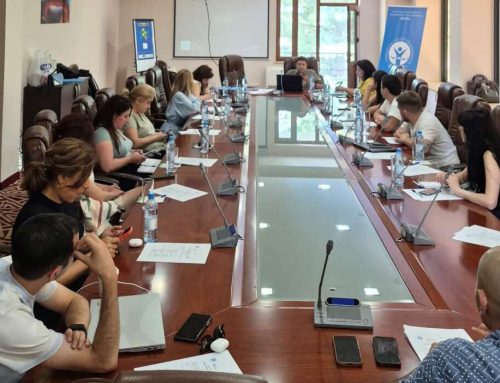
The International Council Meeting of the International Society for Human Rights (ISHR) was convened in Bonn,

Opening and Welcome
During the International Society for Human Rights (ISHR) International Council Meeting, Secretary General Matthias K. Boehning opened the proceedings with a warm welcome, expressing his appreciation for the unprecedented attendance, noting it was the highest ever for an ISHR meeting. He thanked all sections for their participation and emphasized the importance of their continued engagement. Boehning then presented a comprehensive report on the administrative and operational progress within ISHR, highlighting significant improvements in organizational efficiency. He introduced the meeting’s agenda, which was subsequently approved unanimously by all members. Later in the session, he updated the board members on the new ISHR Statutes, which were thoroughly discussed and eventually passed with the approval of all members, except for one abstention. This approval of the statutes marked a crucial update, ensuring that ISHR’s governance structures are well-equipped to meet current and future challenges in human rights advocacy.
During the session, Secretary General Matthias K. Boehning introduced Percy C. Mpindi, a distinguished alumnus of the ISHR Ambassador Program from the 2024 cohort, who has garnered acclaim for his unique contribution to human rights through poetry. Percy’s work, which intertwines artistic expression with societal justice, has received considerable attention and appreciation within the Ambassador Program. Highlighting the special occasion, Percy kicked off the meeting with a powerful rendition of his poem titled “We Sound the Drum of Freedom,” written specifically for this gathering. The poem resonated deeply with the attendees, setting a touching and inspiring tone for the rest of the meeting.
The meeting was continued with a warm welcome from ISHR President, Prof. Dr. mult. Thomas Schirrmacher, who expressed appreciation for the ongoing dedication of all members to human rights advocacy worldwide. Also, he shared pictures from his trips to different part of the world to show ISHR efforts for growing its network to defend and protect Human Rights globally.
ISHR Ambassador Program
Evadine Bonjeh, the ISHR Communication Manager, provided a comprehensive report on the ISHR Ambassador Program. This initiative targets young activists passionate about human rights, environmental sustainability, and social equality, offering them a fully remote, eight-week opportunity to enhance their skills. The program includes intensive training from global experts and human rights defenders, collaboration within a diverse global network, and hands-on experience in developing and implementing community-centered campaigns. Participants also receive a €300 stipend to support internet connectivity and campaign activities, and upon completion, they earn a certificate and recognition on ISHR platforms. This program not only equips participants to address urgent challenges in their communities but also integrates them into an alumni network for continued collaboration and growth.
Section Reports
Representatives from various national sections provided updates on their activities, achievements, and challenges faced in their respective regions. The session was particularly notable for its recognition of longstanding service and dedication to human rights advocacy:
- Award Ceremony: ISHR North Macedonia’s President, Idriz Sinani, was honored with an award certificate recognizing his decades-long dedication to ISHR. Dr. Liubov Nemcinova from Moldova also received an award for her significant contributions to the organization.
Reports by different sections
- United States (Antonio Lopez (Nicaragua) on behalf of Dr. Haydee Marin): Discussion focused on the impact of the new administration’s policies on migrants in the US, highlighting the evolving challenges and ISHR’s response strategies.
- Lithuania (Jurgita Samoskiene): Updates covered the situation of Ukrainian refugees in Lithuania, particularly the efforts to provide educational services for their children amidst ongoing displacement.
- Germany (Valerio Krüger, on behalf of Edgar Lamm): The section highlighted urgent needs in Ukraine, including the distribution of first aid kits and the provision of surgical room devices to handle medical emergencies.
- Uganda: Reports from Uganda shed light on issues of state oppression and corruption, underlining the critical human rights challenges in the region.
- Kenya (Wanjeri Nderu): The focus was on state violence, arbitrary detention, and the conditions of prisoners, with ISHR actively advocating for their rights and humane treatment.
- Albania (Dr. Magarita Kola): Efforts in Albania were centered around providing legal consultation and monitoring legal procedures. The section is also training volunteer observers for the upcoming elections to ensure transparency and fairness.
- Iraq (Dr. Krmanj Othman): The Iraqi section is notably involved in legal consultations and protecting the rights of minorities in the Kurdistan region, emphasizing the delicate human rights situation there.
Other sections including Serbia (Rexhep Abazi), Nepal (Hari Prasad Pudasaini), Kosovo (Halit Gashi), Uzbekistan (Salijon Abdurakhmanov), Switzerland (Hanspeter Hartmann), Cuba (René de Jesús Gómez Manzano), Azerbaijan (Dr Saadat Benanyarly, online), Cabo Verde (Mr. Steve Chika Chime, online), and Cameroon (Felix Agbor Nkongo) provided updates on the human rights situation in their countries. They discussed recent developments and ongoing initiatives aimed at improving human rights conditions in their regions, underscoring the global scope and impact of ISHR’s work.
This segment of the meeting underscored the diverse challenges faced by ISHR sections worldwide and highlighted the collaborative efforts being undertaken to address these issues effectively.

Membership Development
During the meeting, the applications of five potential new ISHR members were reviewed, discussing their potential contributions and opportunities for collaboration. Concerns were raised about the legal aspects of using the ISHR name and branding. However, after a thorough discussion, all members voted in favor—except for one abstention—of admitting these five new members as non-voting members. This decision allows the newcomers from South Sudan, Mongolia, Haiti, Somalia, and Sierra Leone a two-year period to demonstrate their alignment with ISHR’s goals and criteria.
A representative from the South Sudanese applicant gave a detailed presentation on their organization’s status, aims, and organizational structure, providing insights into their operational dynamics and human rights focus. The vote to accept all five candidates as a block was unanimous among the voting members, aside from one abstention. This abstention highlighted a concern about the lack of new members from EU countries, underscoring the importance of expanding ISHR’s network within Europe to balance its global representation and strengthen its presence in key regions.



Leave A Comment