



According to the new study “Perception of Human Rights in the Republic of Moldova,” conducted in 2026, the situation in the country remains highly alarming.
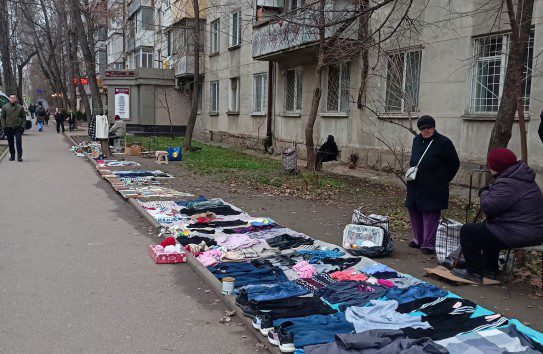
According to the new study “Perception of Human Rights in the Republic of Moldova,” conducted in 2025, the situation in the country remains highly alarming. Despite the authorities’ formal declarations about democratic reforms, the reality faced by citizens points to deep systemic issues, social injustice, and a lack of trust in state institutions.
Statistics of Violations: An Everyday Reality
Although 24% of respondents note some improvement compared to previous years, for the vast majority of citizens, rights violations remain the norm. The study data is shocking: 70% of the population believes that human rights in Moldova are violated systematically or quite often. A quarter of respondents stated they had personally experienced a violation of their rights over the last two years.
Corruption and the Justice Crisis
Corruption continues to destroy the foundation of human rights protection in the state. Nearly 90% of surveyed citizens are convinced that corruption negatively impacts the observance of rights in the country. The judicial system, which should be the primary guarantor of justice, lacks trust: only 46% of citizens believe that the right to a fair trial is upheld in Moldova. Furthermore, 58% of people who have applied to the courts in the past two years remained highly dissatisfied with the experience. Residents of the Transnistrian region (only 27% believe in a fair trial for them), minority representatives (29%), and low-income individuals (30%) are considered particularly vulnerable before the justice system.
Poverty as a Sentence: Inequality in Basic Rights
The report clearly shows that the realization of constitutional rights in Moldova directly depends on the size of one’s wallet.
-
64% of citizens state that parents’ financial capabilities directly affect children’s access to quality education.
-
A similarly catastrophic situation is observed in healthcare: 65% believe that income level restricts the right to health protection and access to medical services.
-
The social protection system is also failing: 74% of respondents believe that state pensions completely fail to provide a decent standard of living, and 70% say the same about disability pensions.
Vulnerable Groups on the Margins of Society
The rights of marginalized groups are the least respected in Moldova. At the very bottom of the rights observance ranking are drug users, low-income individuals, the unemployed, persons with disabilities, prisoners, and representatives of the LGBTQI+ community. These categories of citizens are effectively left to face their problems alone, deprived of adequate state protection and support.
Freedom of Speech Under Threat
While formally 68% of citizens believe that freedom of expression is respected in the country, in practice, there is a strong “chilling effect” in society. About a quarter of the population considers it dangerous to openly express their opinions about the country’s leadership (23%), criticize politicians (21%), or raise corruption issues (21%). The level of fear regarding protests is also high: only one in five (20%) feels completely free to take to the streets and protest against the authorities’ decisions. In recent years, the sense of freedom regarding participation in protests has significantly decreased.
The 2026 study shows that human rights in the Republic of Moldova largely remain a privilege available to those with financial means. Human rights organizations, journalists, and civil society need to increase pressure on state bodies. Moldova needs more than just beautiful reports for international partners; it needs real provision of equal access to justice, healthcare, and education for every person, regardless of their status, income, or vulnerability.


Leave A Comment