




Critics of the Russian regime and opponents of the war continue to face criminalisation, torture, and long-term imprisonment for distributing flyers, posting on social media, or participating in symbolic protests.
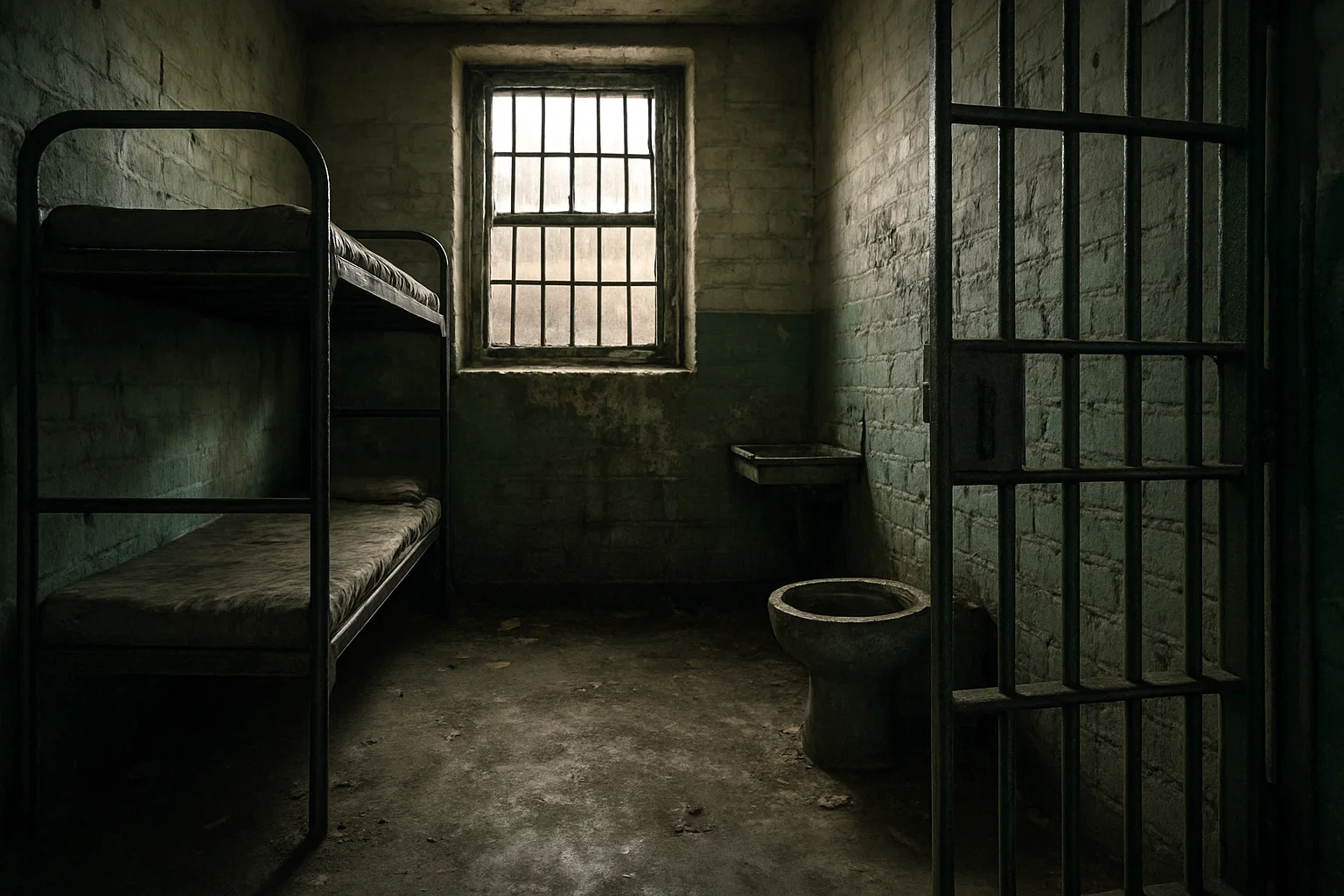 On the Day of Political Prisoners in Russia, the ISHR reaffirmed our condemnation of the imprisonment and torture of Ukrainian and Russian civilians and called for their immediate release, alongside an end to hostilities.
In Russian prisons, Ukrainian civilians are subjected to electric shocks, sexual abuse, and the forced removal of pro-Ukrainian tattoos. Corpses have been returned without internal organs. Critics of the regime in Russia face arbitrary detention and torture. Under Putin, neither Ukraine nor Russian dissidents can expect freedom or peace. Europe must act with firmness and determination, as only decisive action can be understood by Putin,” said Valerio Krüger, spokesman for the ISHR board.
Torture and Execution of Ukrainian Civilians
Tens of thousands of Ukrainian civilians are detained across Russia and in the temporarily occupied regions of eastern Ukraine. Our report identifies 29 prisons, including pre-trial detention centres in Donetsk and Taganrog, that have been clearly used for torture. These facilities contain rooms designed for electric shocks, waterboarding, gagging, and hanging. Prisoners have endured fingers being cut off, mock executions, and actual executions. Branding of pro-Ukrainian tattoos is common, and corpses have sometimes been returned without internal organs.
Repression of Russian Critics
Repression extends to Russian citizens who oppose the regime. Eighteen-year-old street musician Diana Loginova, also known as Naoko, was arrested in St. Petersburg and sentenced to 13 days in prison after performing a song calling for Putin’s removal. She now faces further court proceedings. Former victims of Soviet-era state terror continue to be persecuted. Dissident Aleksander Skobow, first reported on by ISHR in 1986, was sentenced to 16 years in prison for criticising Russia’s war of aggression.
Sham Trials and Criminalising Dissent
Journalists, human rights defenders, and lawyers are increasingly targeted. On January 17, 2025, Aleksei Lipzer, lawyer of the late opposition activist Navalny, was sentenced to five years in prison for allegedly “participating in the activities of an extremist community.” We have documented more than 130 young war opponents arrested for expressing opinions or performing symbolic acts of protest. These include Daria Kozyreva (20), sentenced to two years and eight months for criticising the war; Egor Balaseikin (16), sentenced to six years for an unlit Molotov cocktail; and Arseniy Turbin (15), sentenced to five years for distributing leaflets.
The ISHR continues to call for the immediate release of all political prisoners and urges the international community to intervene to end these ongoing human rights violations.


Leave A Comment