




North Korea Builds Housing for Families of Soldiers Killed in Russia’s War Against Ukraine
According to a report by Deutsche Welle (DW), North Korean leader Kim Jong Un has inaugurated a newly constructed housing district in Pyongyang for the families of soldiers who died during overseas military deployments — widely understood to refer to North Korean troops sent to support Russia’s war against Ukraine.
DW, citing the state news agency KCNA as well as AP and Reuters, reports that Kim described the project as a symbol of the “spirit and sacrifice” of fallen soldiers. In a public speech, he declared that the new homes would allow grieving families to “take pride in their sons and husbands and live happily,” while pledging to repay what he called the devotion of “young martyrs” who “sacrificed all to their motherland.”
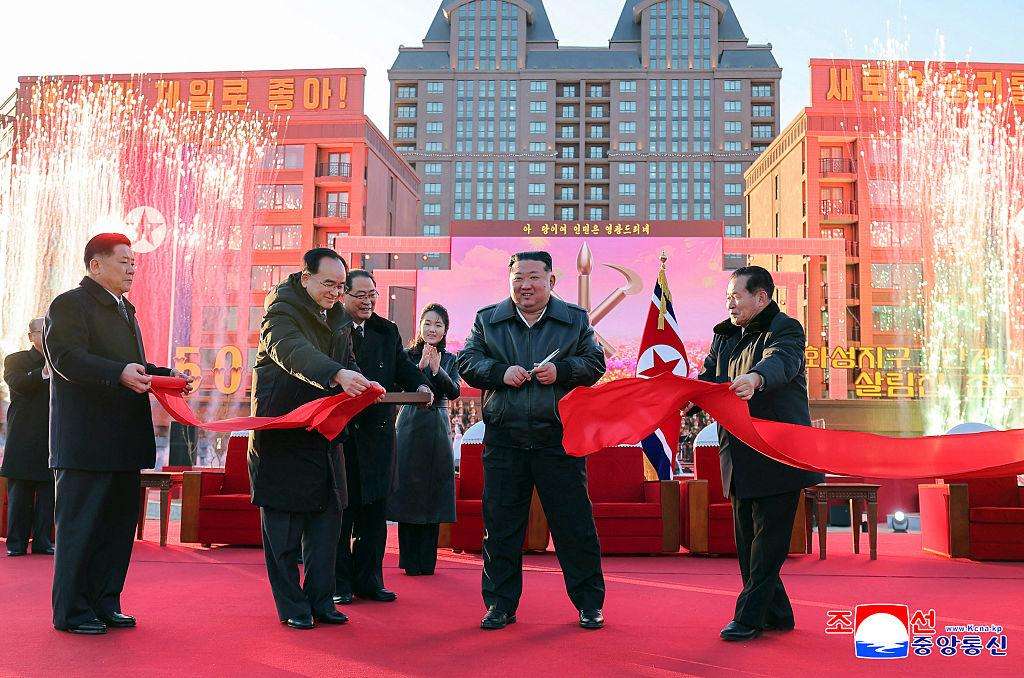
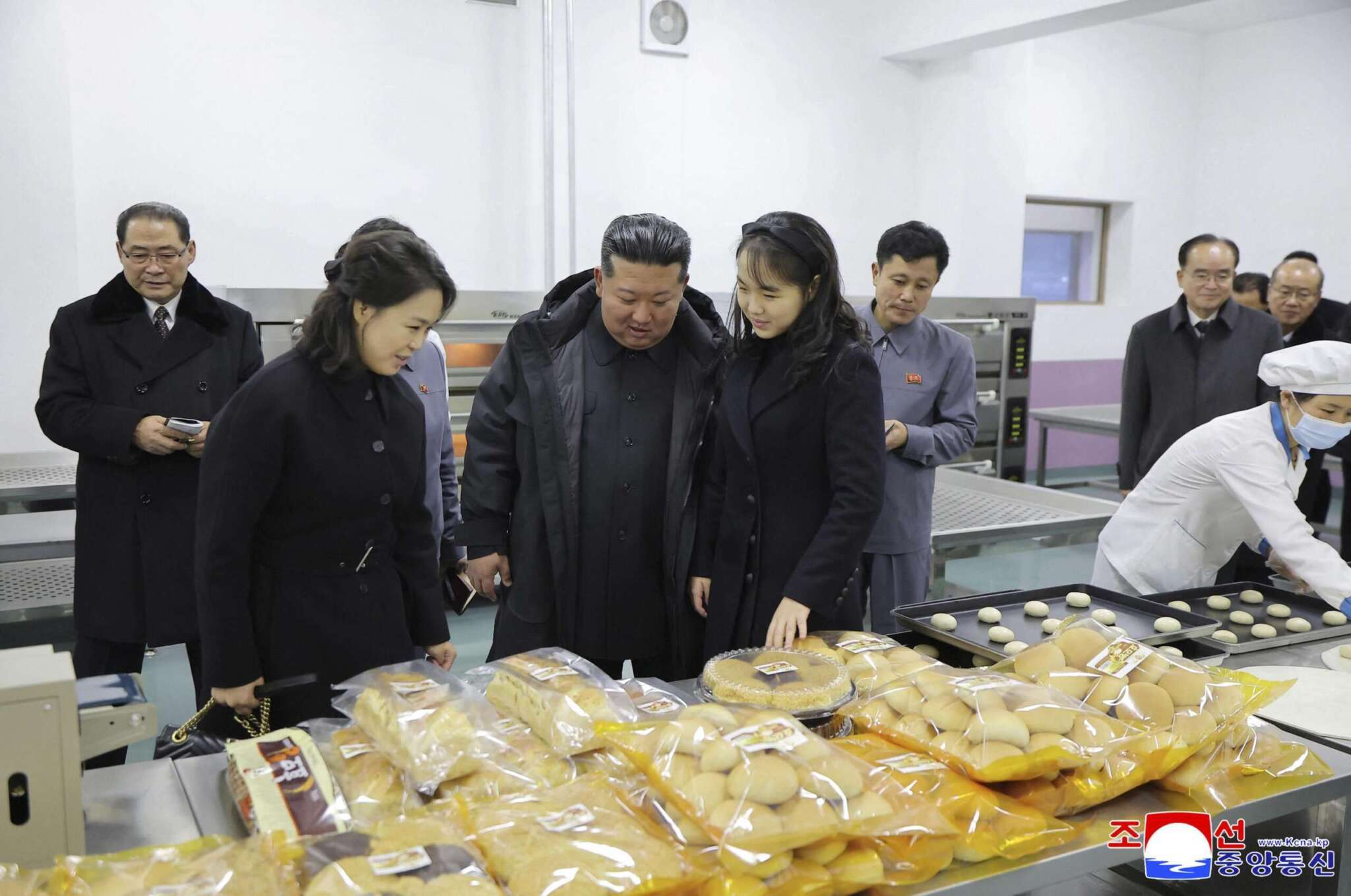
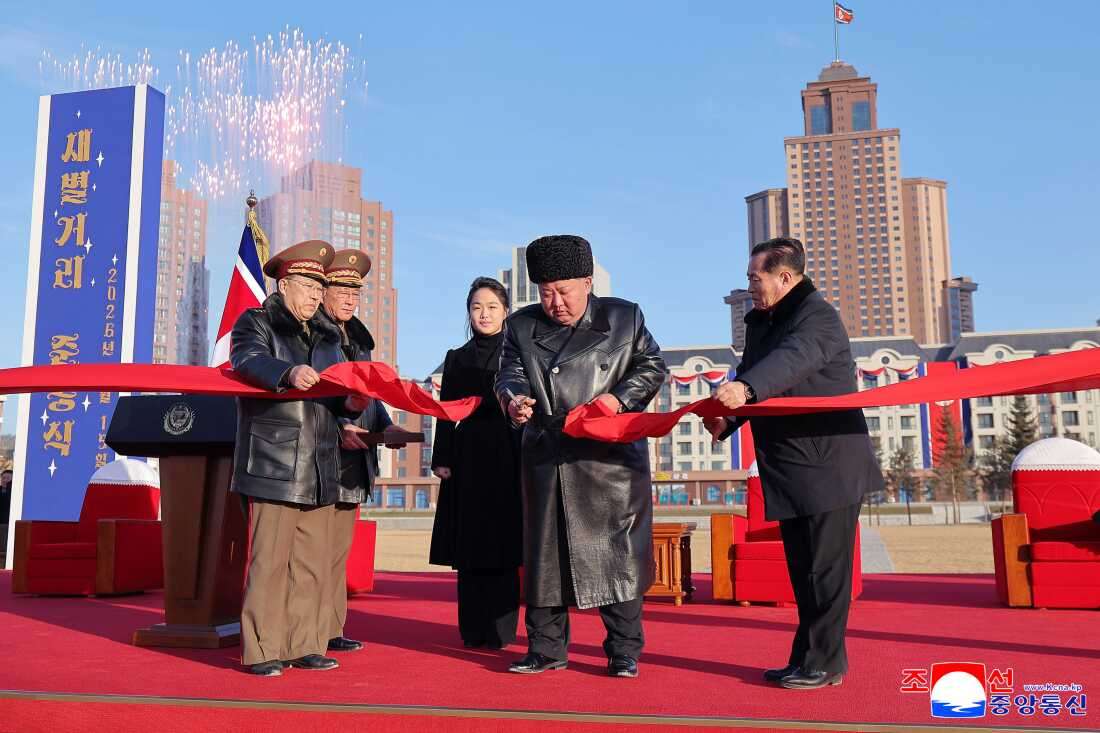

State-released images show Kim accompanied by his daughter, Kim Ju Ae, visiting the new apartments and meeting relatives of the deceased soldiers.
Thousands Deployed, Thousands Casualties
North Korea is estimated to have deployed around 14,000 troops to support Russian forces in Ukraine. According to assessments by South Korean, Ukrainian and Western officials, more than 6,000 of these soldiers have been killed or wounded.
Pyongyang has not officially confirmed casualty numbers. However, over recent months, the regime has staged multiple public ceremonies honoring the fallen — including the opening of a museum and the construction of a memorial complex with statues of soldiers.
Analysts interpret these events as part of a broader strategy to maintain domestic cohesion and preempt public dissatisfaction over the loss of lives in a foreign war. The large-scale commemorations appear designed to frame the casualties not as controversial political decisions, but as patriotic sacrifice.
Political Timing
The inauguration of the housing district comes shortly before the Ninth Congress of the ruling Workers’ Party of Korea, scheduled for late February. The party congress is expected to serve as a major platform for Kim to present his achievements and outline policy priorities for the coming five years, both domestically and internationally.
The new district therefore functions not only as social support for bereaved families, but also as a highly symbolic political gesture — reinforcing loyalty, legitimizing overseas military involvement and strengthening the narrative of national unity under Kim’s leadership.
Leave A Comment