




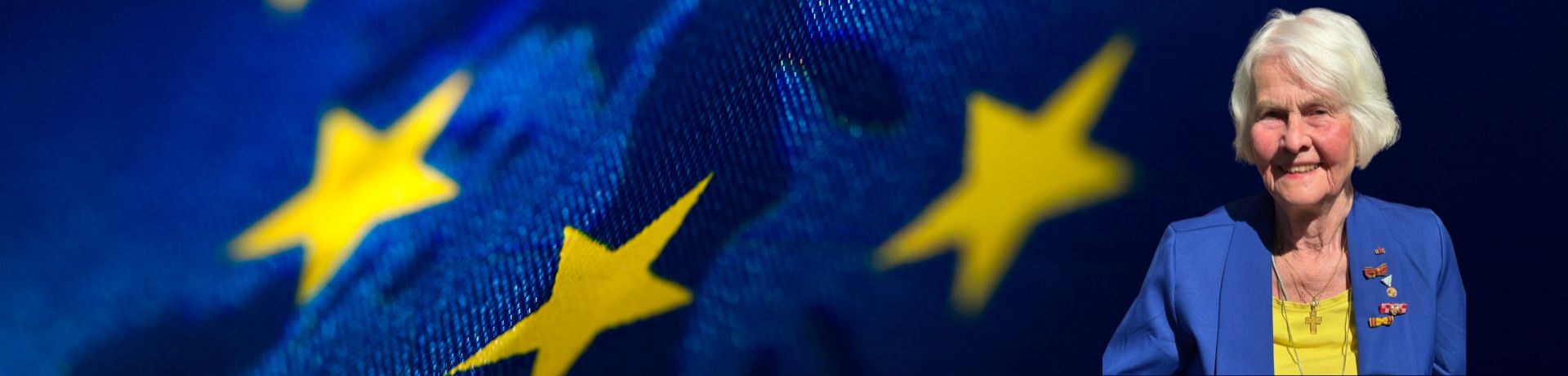
Katrin Bornmüller receives the 30th European Social Prize in Eschweiler
The ISHR’s Honorary Chair has been committed to human rights and humanitarian aid for decades
Frankfurt am Main/Eschweiler, 29 September 2026 – On 3 October, the Europaverein GPB e.V. will present the European Social Prize to Katrin Bornmüller from Wittlich, Honorary Chair of the ISHR. Under the motto ‘Human rights are the foundation of Europe’, the association is honouring the 86-year-old’s decades of voluntary work for the International Society for Human Rights (ISHR) and her commitment to helping people in need – in Europe and the Middle East.
“Katrin Bornmüller is a shining example of human rights work that does not look the other way, but takes action. She has brought human rights violations to light whilst at the same time providing help where people were in immediate need of support. We are proud of her many years of tireless commitment; she deserves this award,” says Edgar Lamm, Chair of the ISHR.
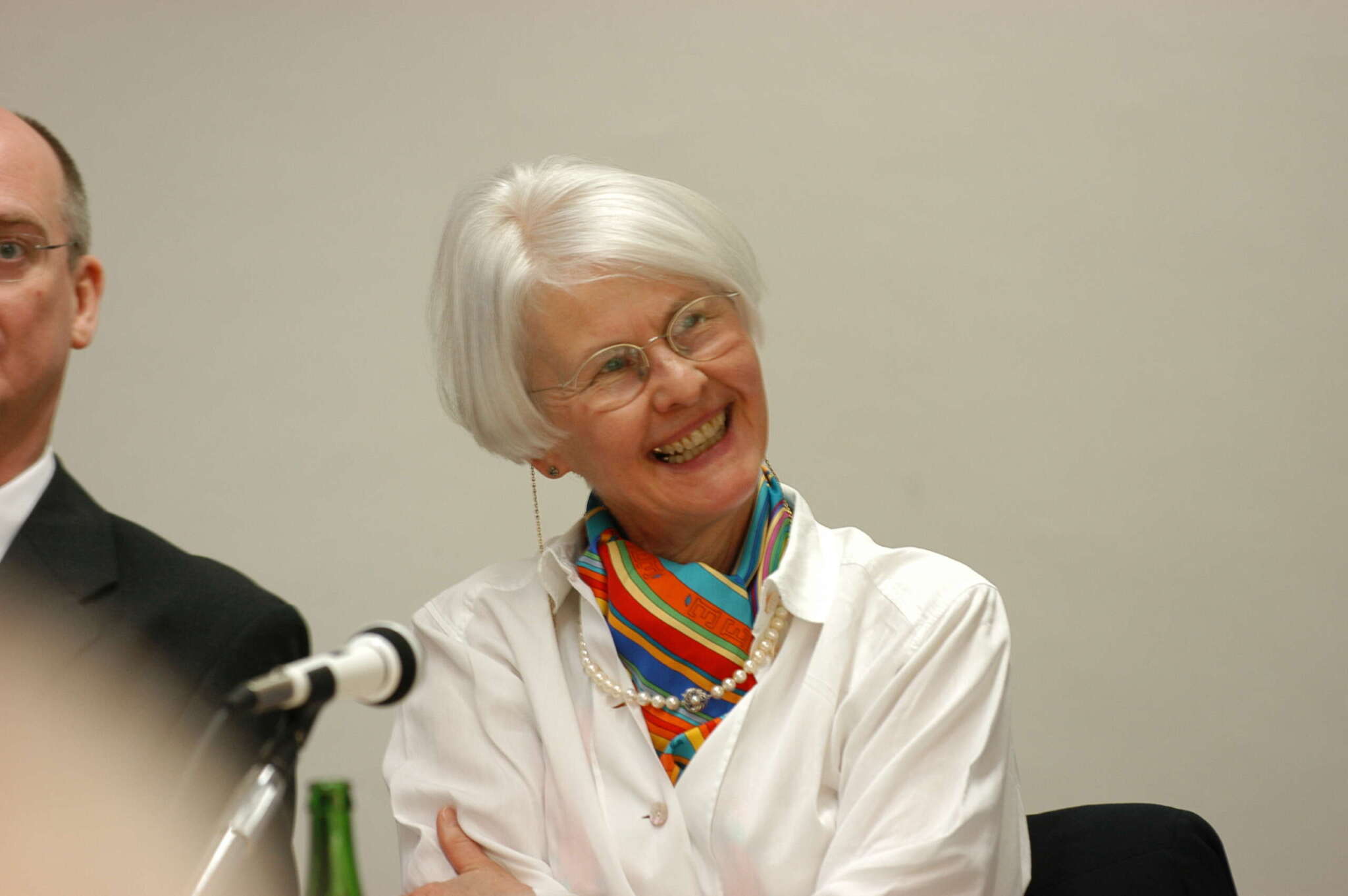
Katrin Bornmüller
Deeply moved by the human rights abuses and the political situation in the former GDR, Katrin Bornmüller joined the ISHR in March 1981. Guided by her understanding of Christian charity, she made it a personal mission not only to publicly denounce human rights abuses, but also to provide concrete relief for the humanitarian suffering of those affected.
Throughout her many years of commitment – including 44 years as chair of the Wittlich working group of the IGFM, and also as chair of the German section from 2005 to 2014 – Bornmüller witnessed far-reaching political changes and the associated humanitarian crises. Her guiding principle was that solidarity must not end with words. Aid must reach people, respect their dignity and offer them the prospect of a self-determined life.
Her commitment took her to 10 CSCE conferences, in crisis and war zones. Her work focused on helping people forced to flee persecution, war and religious violence. The conviction that human rights must not merely exist on paper, but must also be realised for people in refugee camps and crisis zones, has time and again spurred Bornmüller to take action. Alongside her wide-ranging commitment, she was instrumental in co-founding several sections of the IGFM and played a key role in driving forward the International Council.
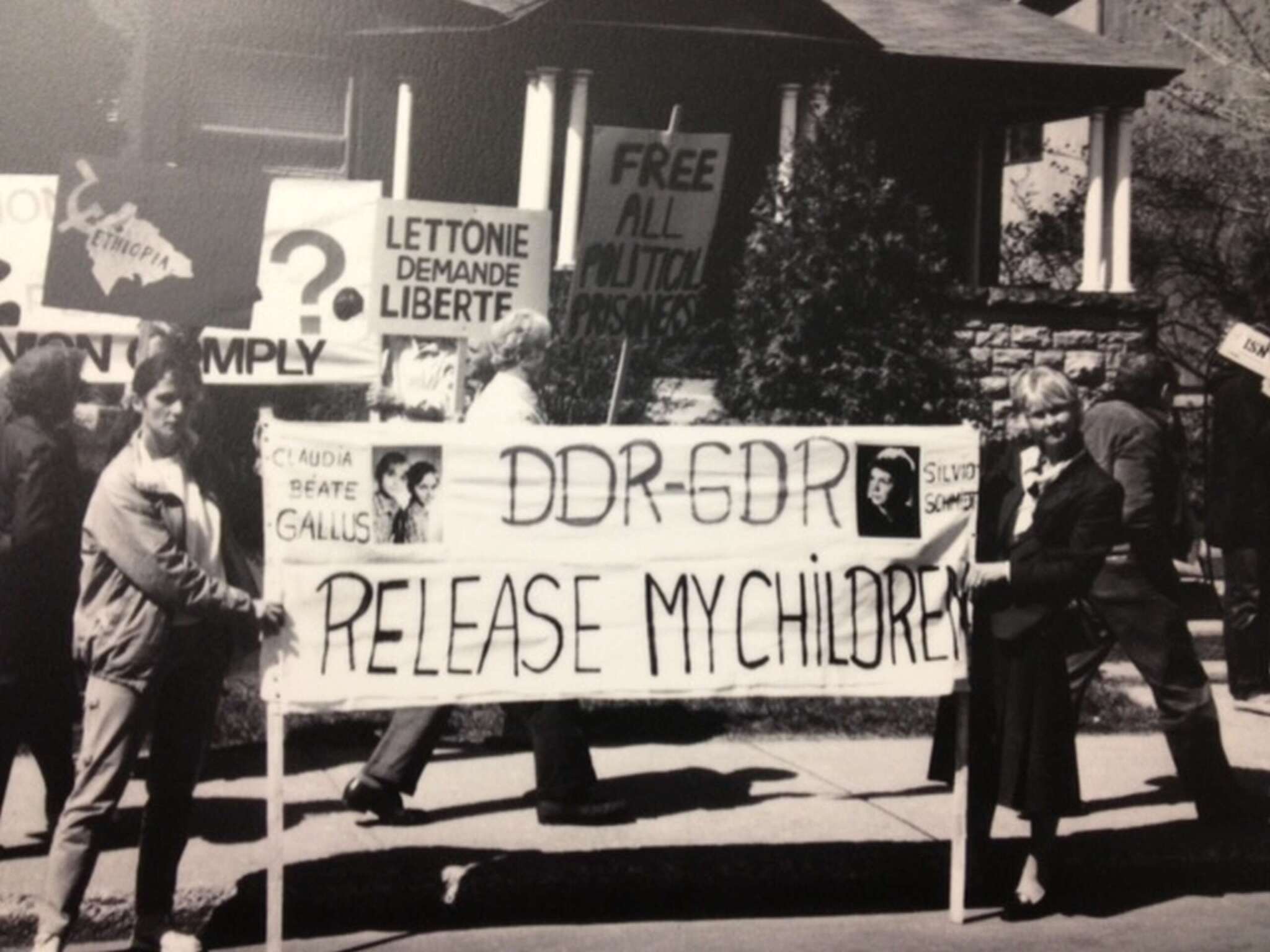
Demo Katrin Bornmüller mit Jutta Gallus bei KSZE Helsinki 1985 Foto: IGFM
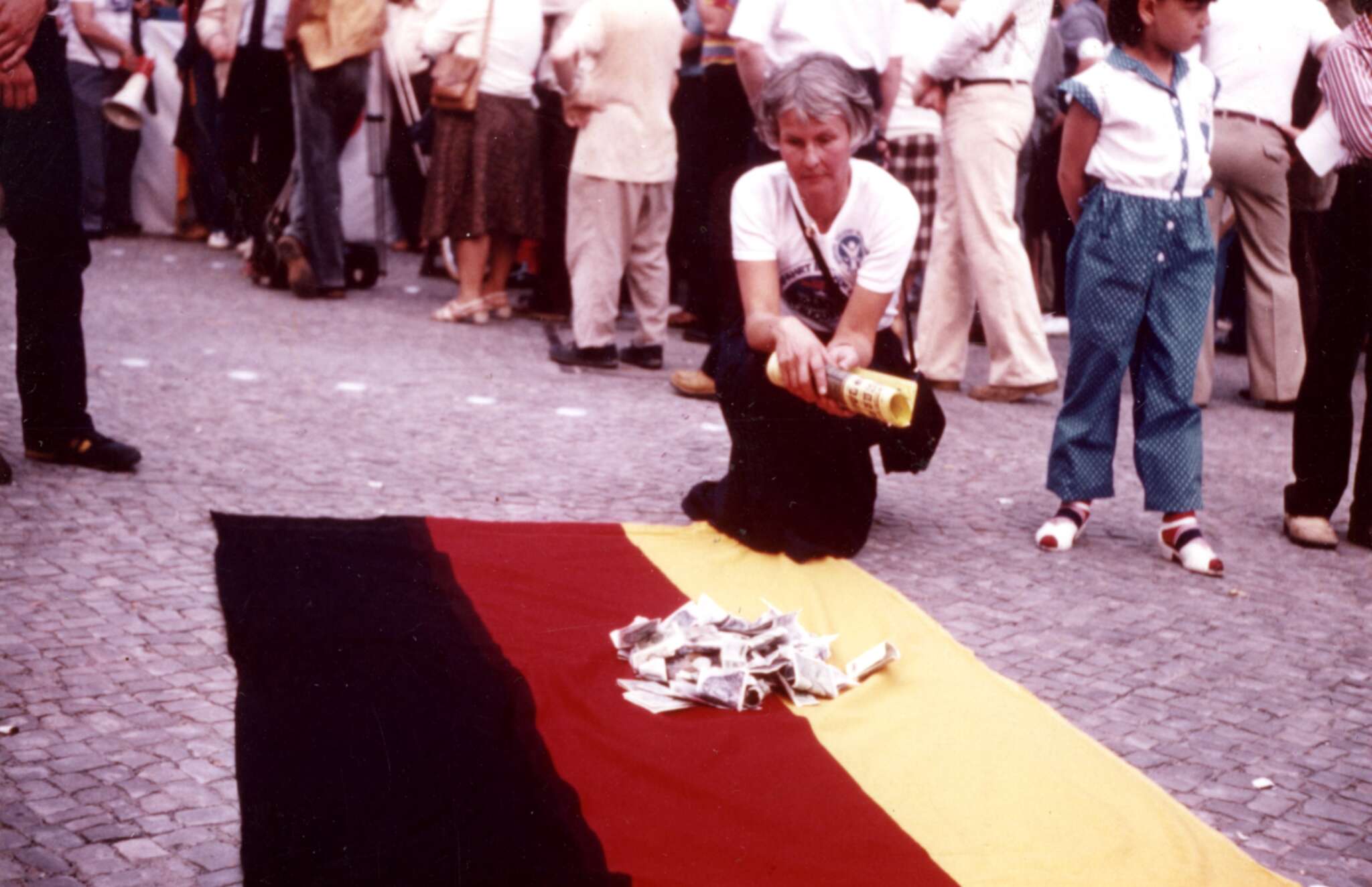
Katrin Bornmüller Demo Berlin 1981 Foto: IGFM
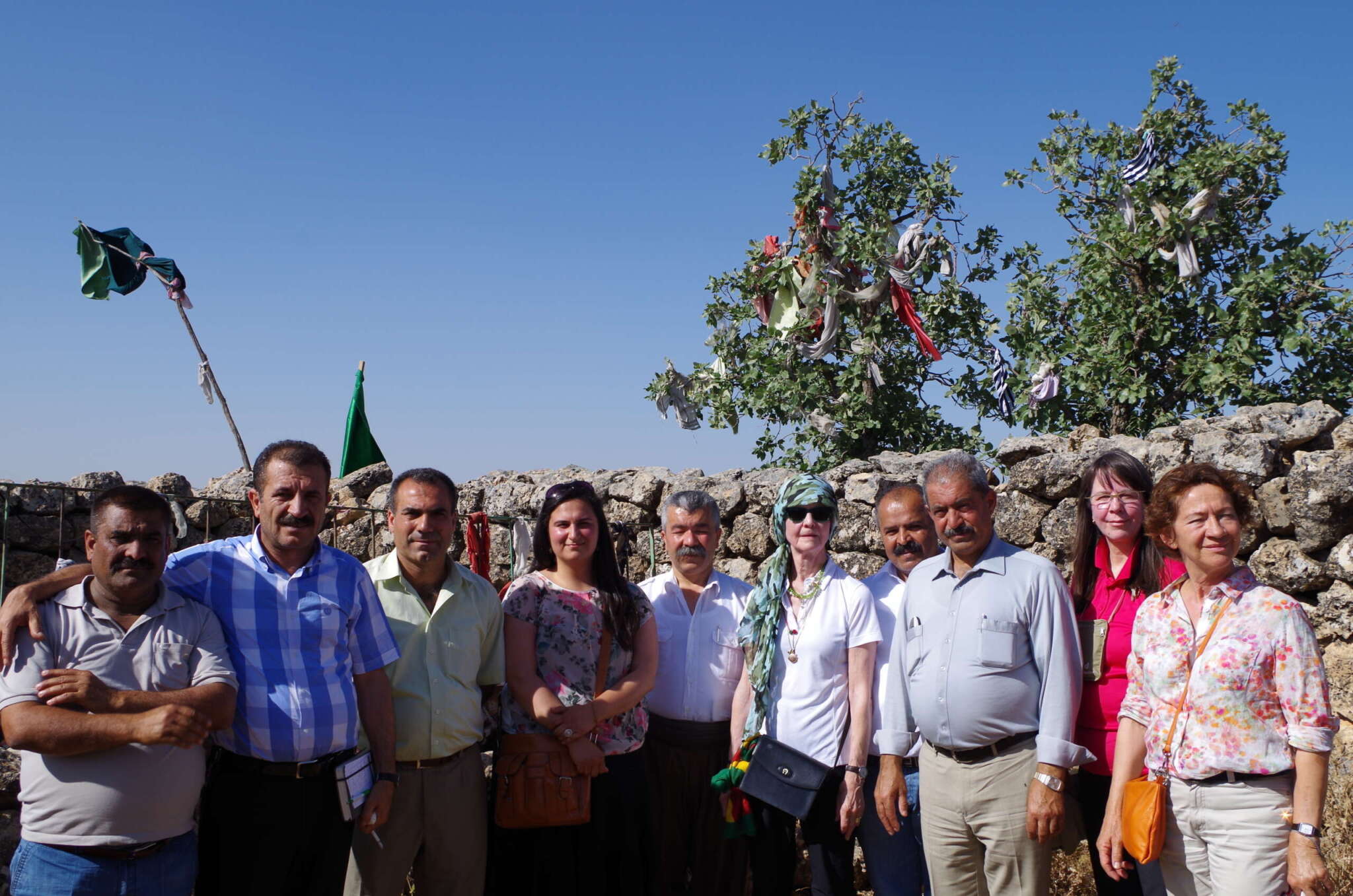
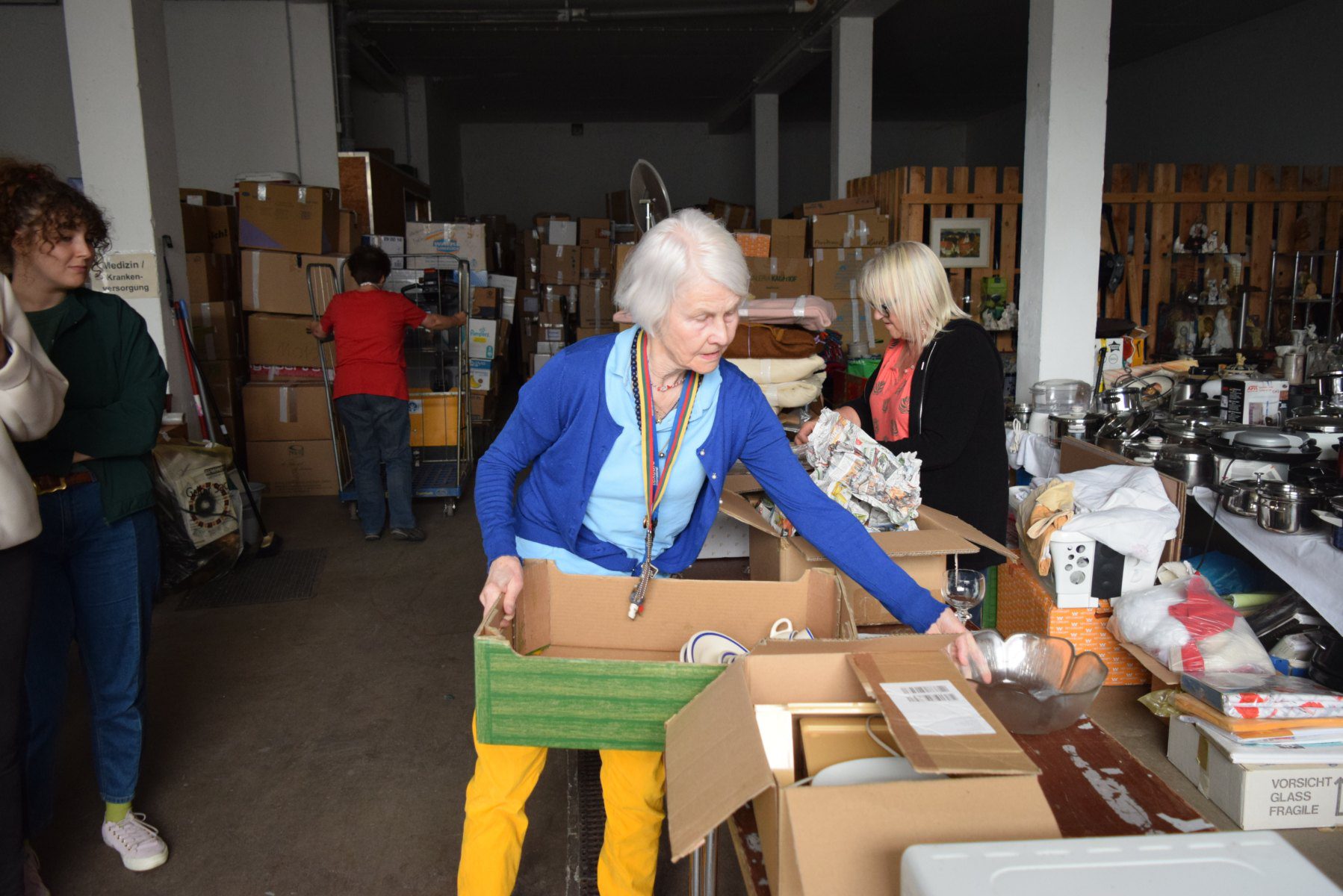
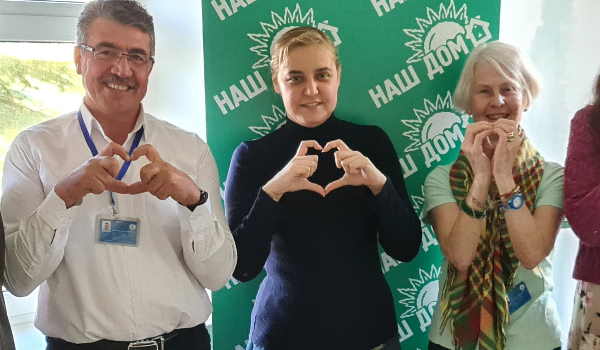
Whilst the main focus of her humanitarian aid convoys had been on Europe, from 2015 onwards a further focus of her work shifted to the autonomous region of Iraqi Kurdistan. By the time she handed over the Wittlich Working Group to her successor, Carmen Jondral-Schuler, in 2025, the award winner had organised a total of 587 aid convoys with the team in Wittlich. There, she also spent many years working on the ground to support people who had been forced to flee the terrorist organisation ‘Islamic State’ (IS), in particular members of the Yazidi religious minority.
Ceremony in Eschweiler
The 30th European Social Prize will be presented on 3 October 2026 at 5.00 pm in the Council Chamber of Eschweiler Town Hall. Doors open at 4.30 pm. The laudatory speech will be delivered by State Secretary and IGFM member Michael Brand (CDU). Other speakers will include, amongst others, the Mayor of Eschweiler, Patrick Nowicki, who is also the patron of the European Social Prize. Following the award ceremony, there will be an opportunity to meet and chat with the prize winner and the guests.
The European Social Prize has been awarded since 1997 to individuals who have shown exceptional commitment to social causes, social responsibility and fundamental European values. In the commemorative publication, Andrea Wolff, President of the Europaverein, describes the Social Prize in the following words: “For a Europe of freedom. For a Europe of humanity. For a Europe of solidarity. And above all: for a Europe founded on human rights.”
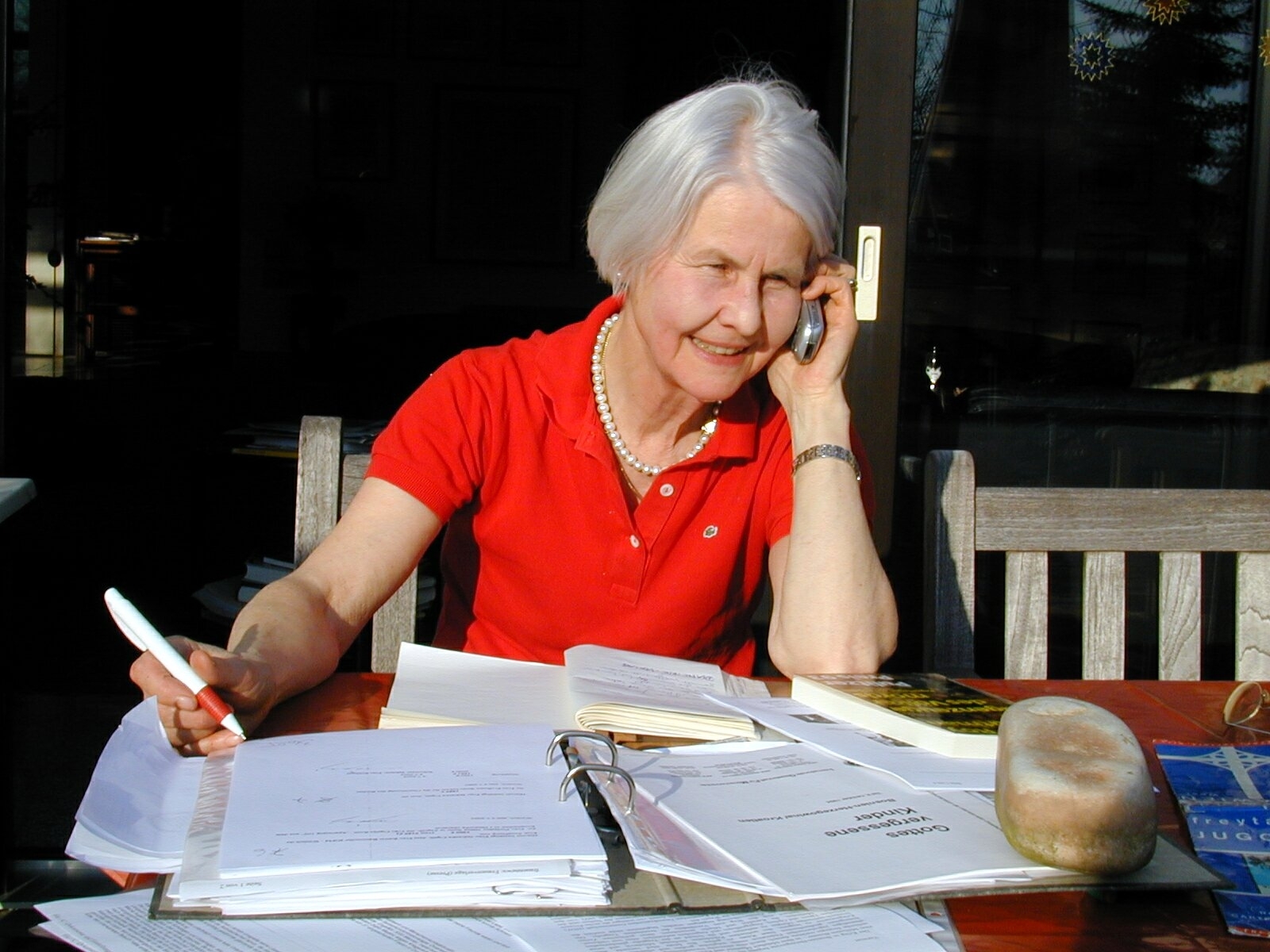
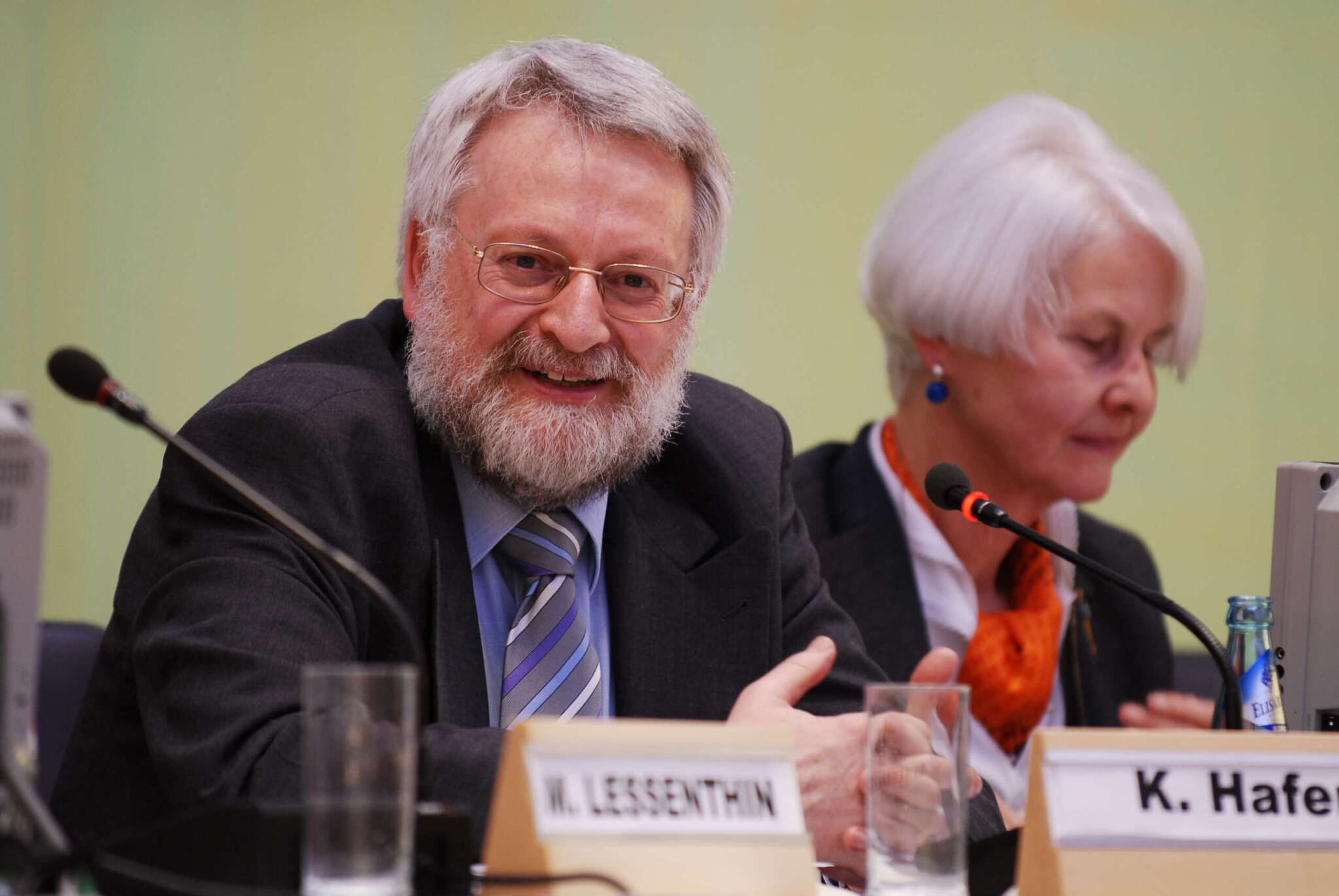
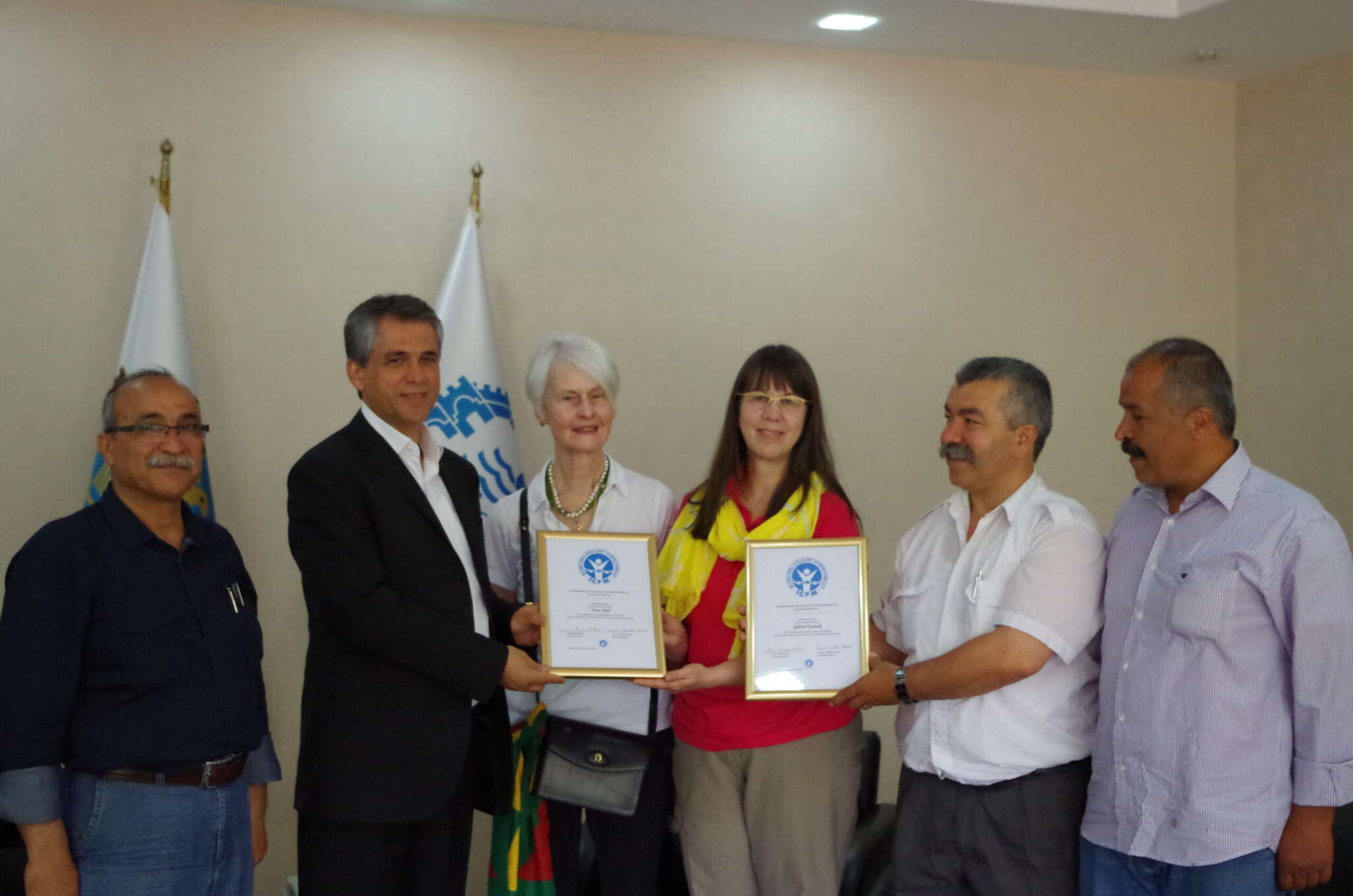
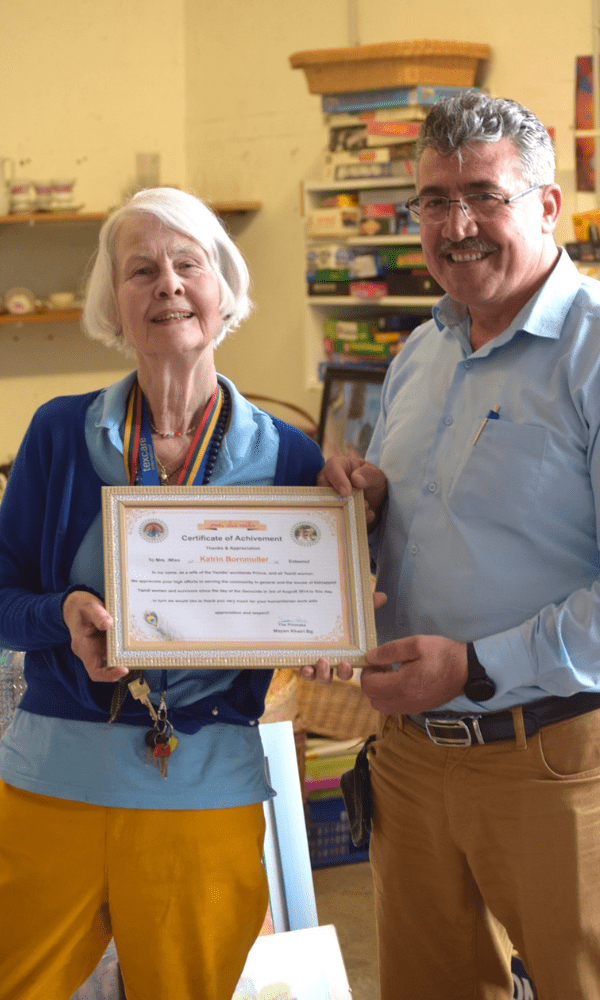
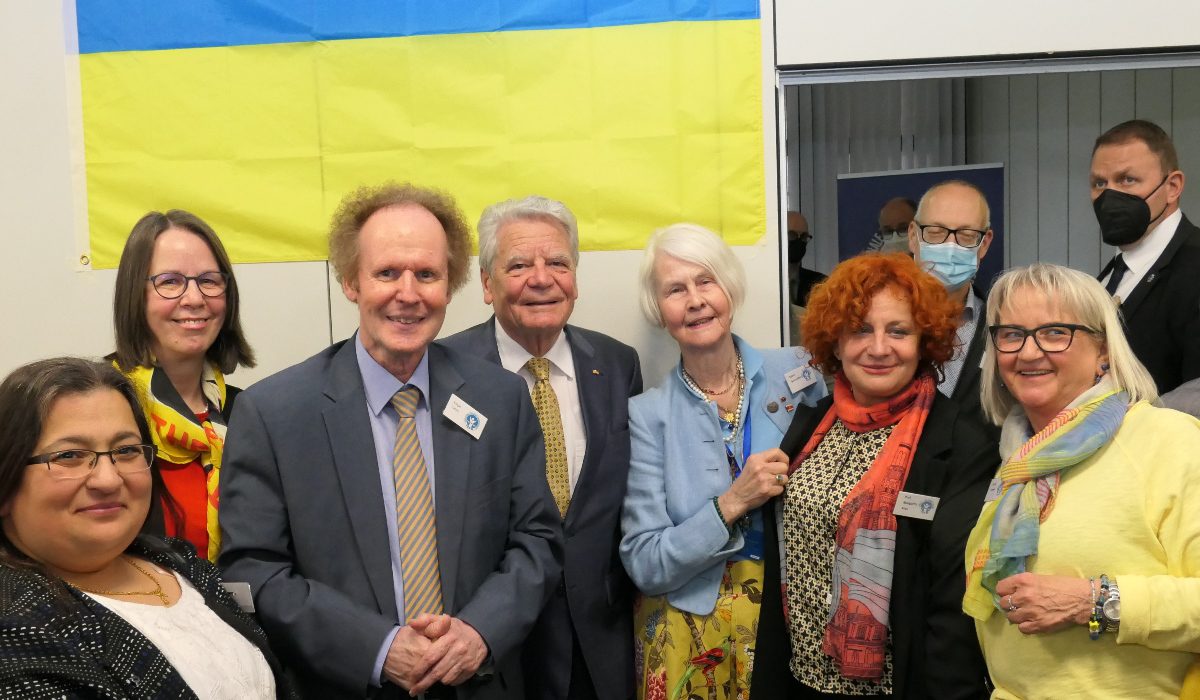
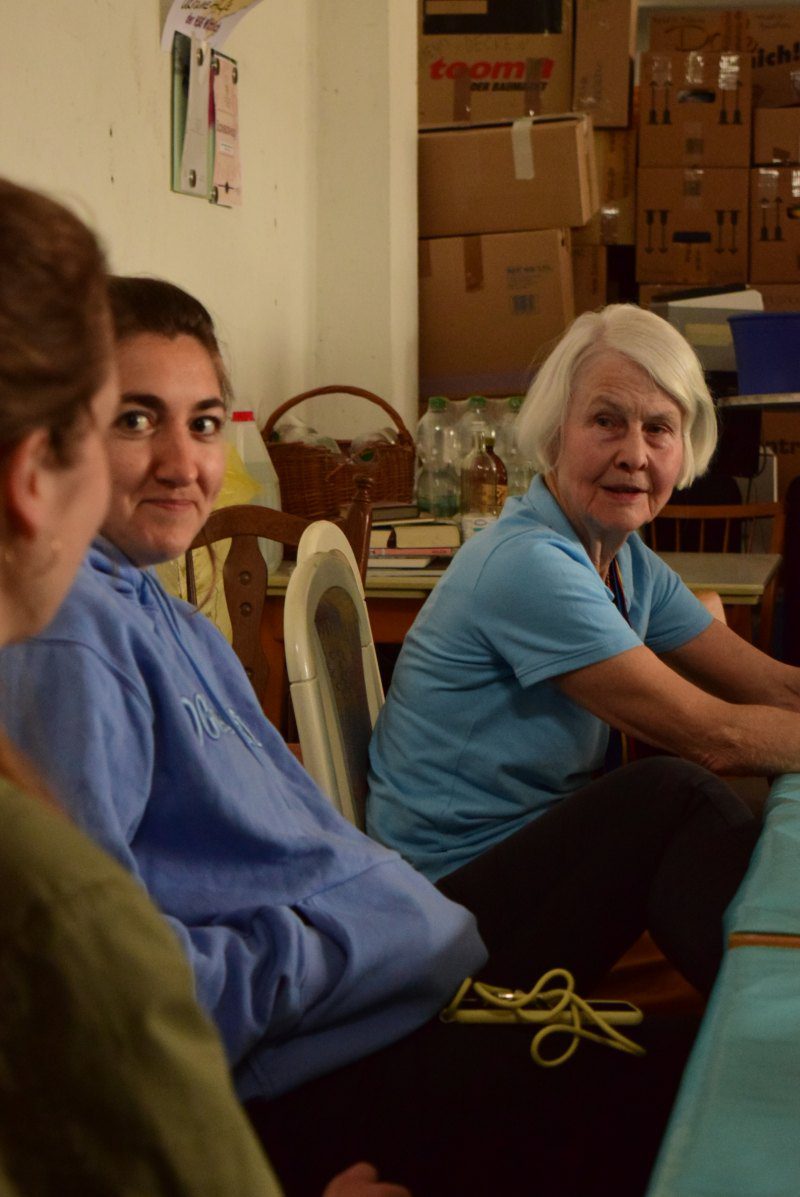
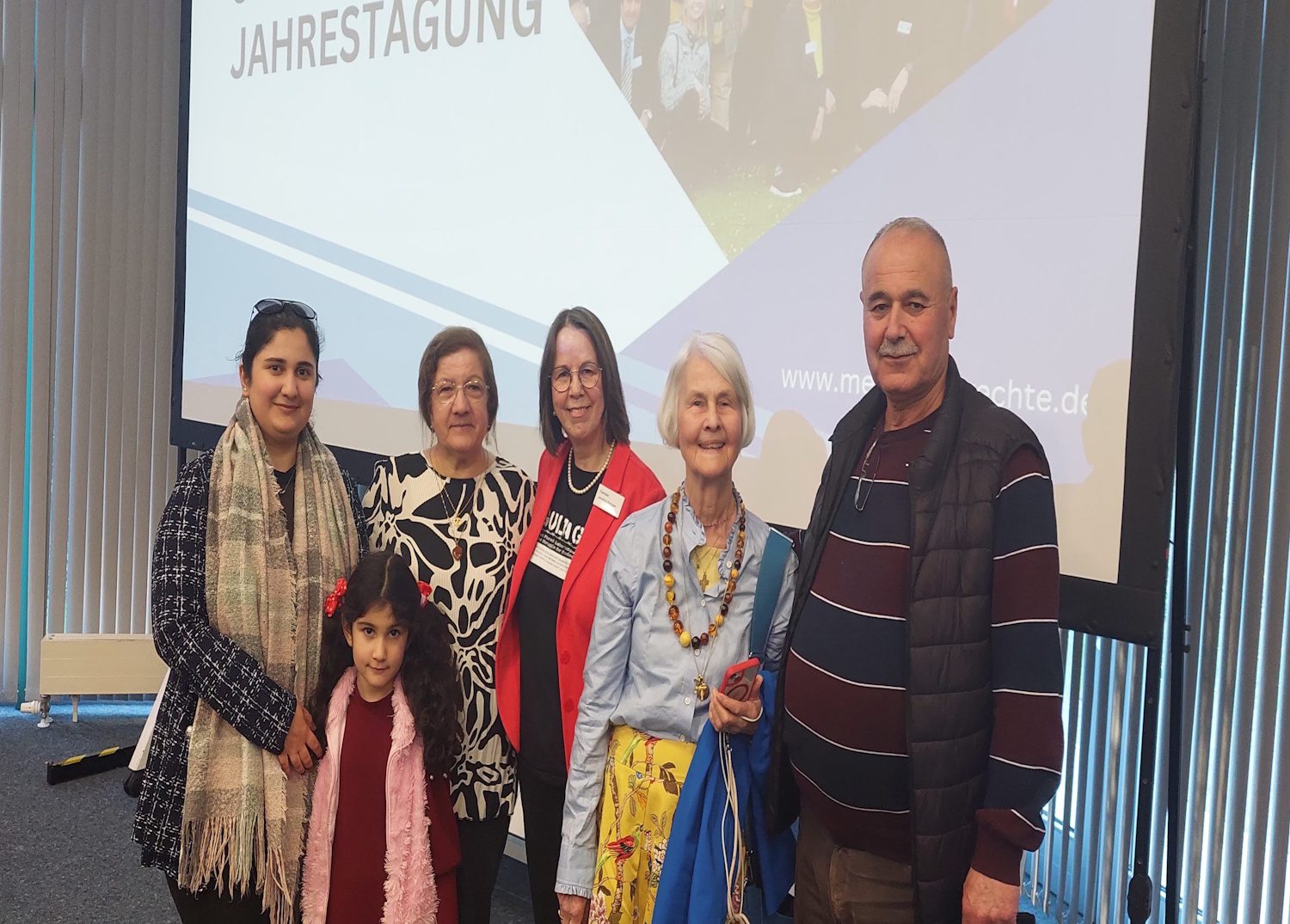
Insights into the work of Katrin Bornmüller and the Wittlich Working Group





Leave A Comment