
Russia’s Path to Democracy: From the Triumph of 1991 to a Historic Turning Point. An interview with Lev Ponomarev

2026-10-05T11:06:32+02:00

How did the August coup come about? Why did the army not open fire on the protesters? What did Russia’s future look like in August 1991? And why did the nomenklatura and the KGB take their revenge on the democrats? In the latest episode of ‘How Are Things Now?’, we spoke to Lev Ponomarev, a human rights activist, former MP and one of the leaders of the democratic movement in
Russia’s Path to Democracy: From the Triumph of 1991 to a Historic Turning Point. An interview with Lev Ponomarev2026-10-05T11:06:32+02:00

Moldova has seen its performance decline across all four criteria for democracy in the ‘State of Democracy 2026’ report

2026-09-30T12:17:10+02:00

A warning sign for the region: what the new Global State of Democracy report reveals about the state of institutions in Moldova The International Institute for Democracy and Electoral Assistance (International IDEA) presented its global report, "The Global State of Democracy 2026: Democracy in an Age of Conflict". The study, covering key parameters of state resilience and human rights, records a negative dynamic in the Republic of Moldova: the country

Moldova has seen its performance decline across all four criteria for democracy in the ‘State of Democracy 2026’ report2026-09-30T12:17:10+02:00

Do Russia’s 2026 election results show support for war?

2026-09-30T10:57:38+02:00

Do Russia's 2026 election results show support for war? Claim: The victory of the pro-government United Russia party in the Russian State Duma elections and the high voter turnout show that citizens approved of the country's foreign policy and the war against Ukraine. Conclusion: Not confirmed. Official results show how many votes the electoral authorities attributed to parties and candidates. They do not reliably measure public attitudes toward the war.

Do Russia’s 2026 election results show support for war?2026-09-30T10:57:38+02:00

MONITORING OF DISINFORMATION FLOWS Educational and practical manual for journalists, researchers and civil society representatives

2026-09-30T07:42:15+02:00

The booklet was prepared within the framework of the "Monitoring Disinformation Flows" project by the Human Rights International (HRI) Armenia organization. The main goal of the project is to increase the level of media literacy, support journalists and young professionals in more effectively recognizing, analyzing, and countering disinformation flows in the modern information environment. MONITORING OF DISINFORMATION FLOWS Educational and practical manual for journalists, researchers and civil society representatives Monitoring

MONITORING OF DISINFORMATION FLOWS Educational and practical manual for journalists, researchers and civil society representatives2026-09-30T07:42:15+02:00

Lapshin reported that Armenian former prisoners refused to apply to the ECHR: what was actually said

2026-09-29T16:22:23+02:00

The video, which was posted on the “Public News” Facebook page on September 20, has garnered more than 141,000 views and has been presented as a “scandalous revelation” by Alexander Lapshin. However, in the video, Lapshin’s actual statement is rewritten in a significantly different way; the most important difference is the case of Gevorg Sujyan. The day after the publication, on September 19, Sujyan announced that his application against Azerbaijan

Lapshin reported that Armenian former prisoners refused to apply to the ECHR: what was actually said2026-09-29T16:22:23+02:00

Nikol Pashinyan awarded the Hesse Peace Prize

2026-10-12T11:52:11+02:00

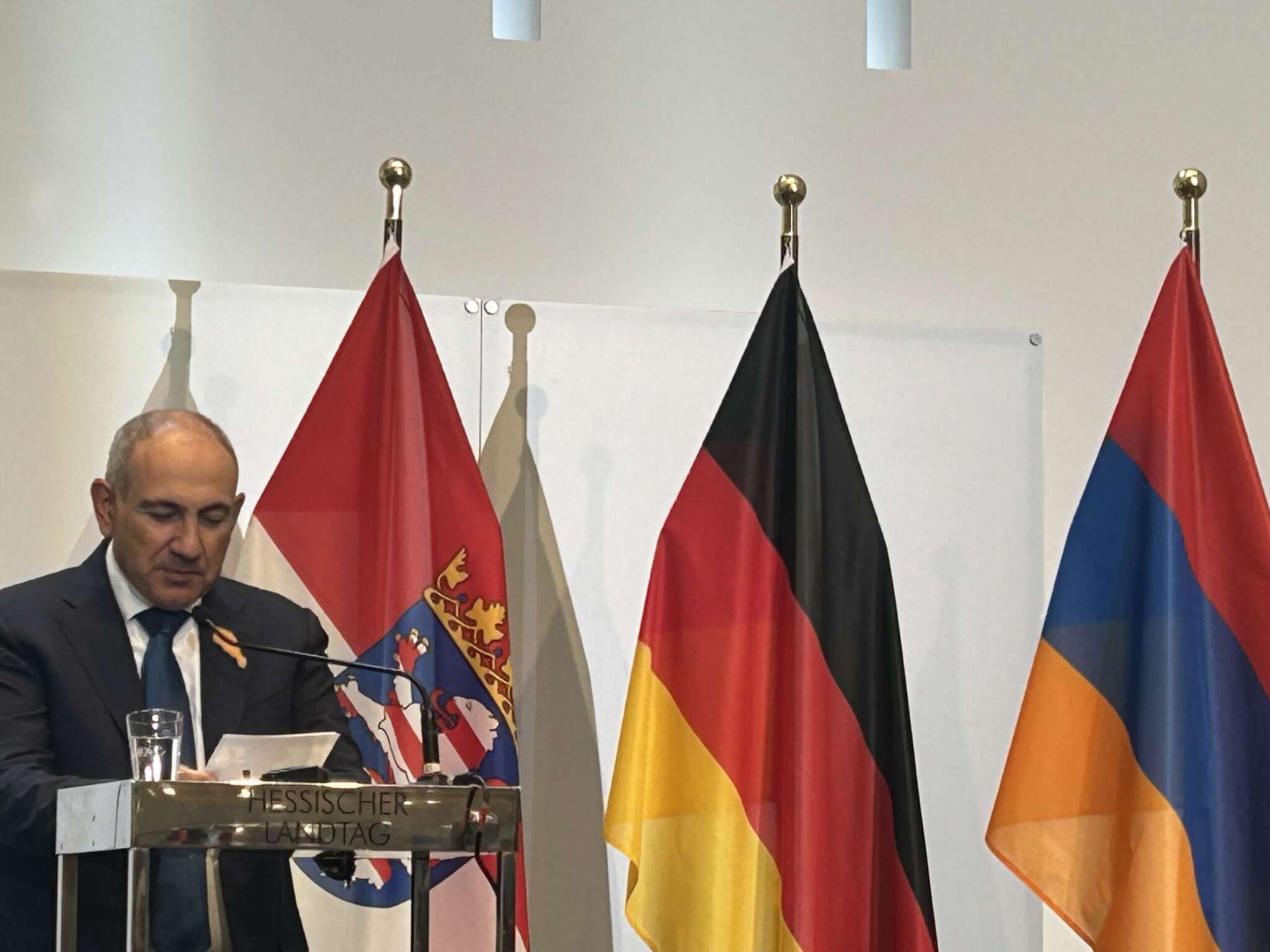
Nikol Pashinyan awarded the Hesse Peace Prize: Peace and democracy as a strategic choice for Armenia On September 18, 2026, in the Hesse State Parliament, Germany, the Prime Minister of the Republic of Armenia Nikol Pashinyan was awarded the 2025 Hesse Peace Prize.On September 18, 2026, in the Hesse State Parliament, Germany, the Prime Minister of the Republic of Armenia Nikol Pashinyan was awarded the 2025 Hesse Peace

Nikol Pashinyan awarded the Hesse Peace Prize2026-10-12T11:52:11+02:00

Did Pashinyan really make such a statement about Kazakhstan?

2026-09-29T11:20:13+02:00

In early September, a statement attributed to Armenian Prime Minister Nikol Pashinyan spread on social media, which referred to Kazakh President Kassym-Jomart Tokayev, relations between Armenia and Russia, and the topic of holding a referendum. According to the circulating publication, Pashinyan, referring to Russia’s alleged coercion of Armenia to hold a referendum, said: “I am not the president of Kazakhstan to be summoned to Russia. And we are not rich

Did Pashinyan really make such a statement about Kazakhstan?2026-09-29T11:20:13+02:00

From fake quotes to fake sources: A Russian network’s attempt to have its own Wikipedia for Armenia

2026-09-29T08:58:04+02:00

From fake quotes to fake sources: A Russian network's attempt to have its own Wikipedia for Armenia In April 2026, just two months before the parliamentary elections in Armenia, the Russian organization Social Design Agency (SDA) developed a “clone” similar to Wikipedia, designed to automatically create new pages. But its goal was not only to reach readers. According to a Bloomberg investigation, the system was also designed to influence Google’s

From fake quotes to fake sources: A Russian network’s attempt to have its own Wikipedia for Armenia2026-09-29T08:58:04+02:00

Russian 102nd Military Base in Armenia: A Security Guarantee, Fact-Check Research, or a Non-Working Mechanism?

2026-09-27T19:59:15+02:00

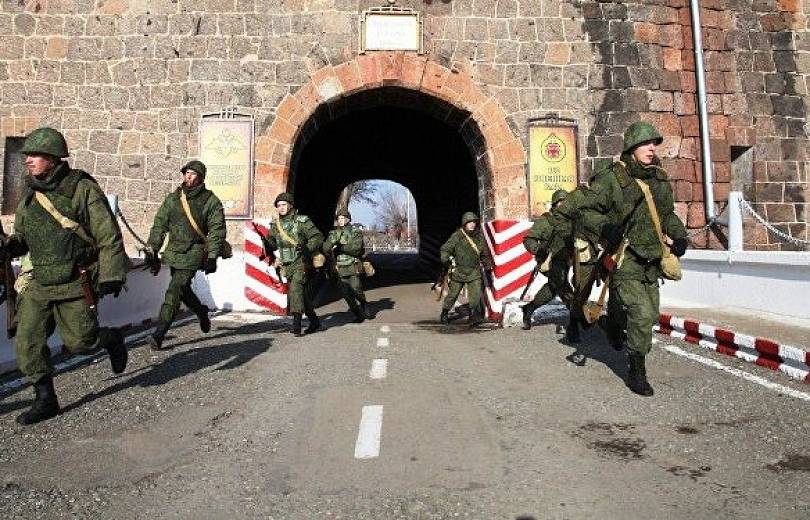
The presence of the Russian 102nd military base in Armenia has been presented for decades as a crucial component of Armenia's security system. At the same time, in recent years, opposing claims have been heard more frequently: that the base has not fulfilled its primary mission, is no longer useful to Armenia, and should be withdrawn. Russian 102nd Military Base in Armenia: A Security Guarantee, Fact-Check Research, or a Non-Working

Russian 102nd Military Base in Armenia: A Security Guarantee, Fact-Check Research, or a Non-Working Mechanism?2026-09-27T19:59:15+02:00

Social networks as an accelerator of disinformation

2026-09-28T16:56:10+02:00

Why does false information spread so quickly on social media? Social networks as an accelerator of disinformation One of the reasons is the algorithms of social networks. Platforms track what we watch, what we linger on, what we like, comment on, or share. If a piece of content gets a lot of traction, the algorithm can show it to more people. But here's an important thing: the algorithm doesn't decide

Social networks as an accelerator of disinformation2026-09-28T16:56:10+02:00
Go to Top